OWNER:
Moor Hall Construction Limited
ENGINEER:
Thomas Consulting
GENERAL CONTRACTOR:
Construct-It Consulting
MAIN FIGURES:
c.390 CMCs
Project Details
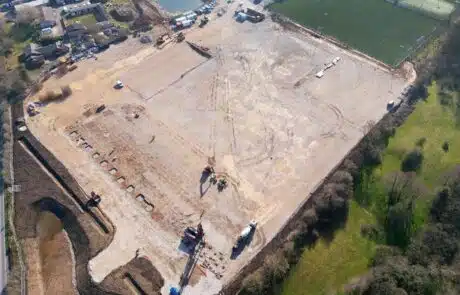
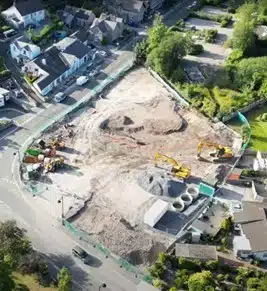
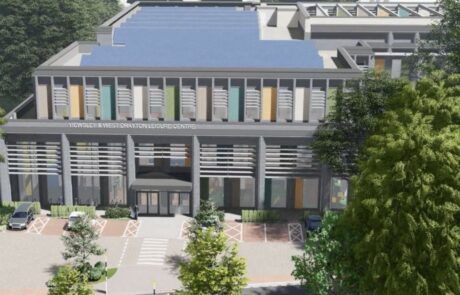
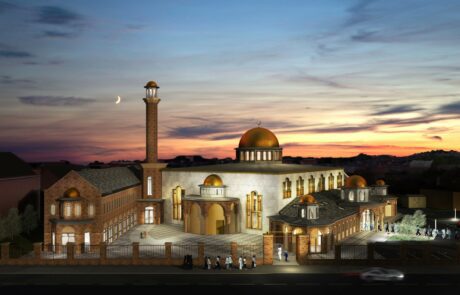
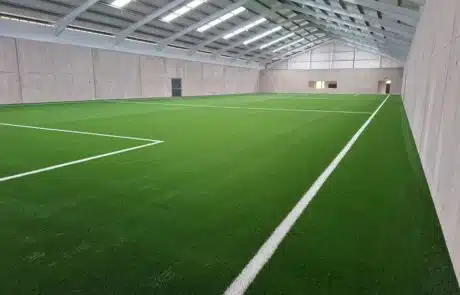
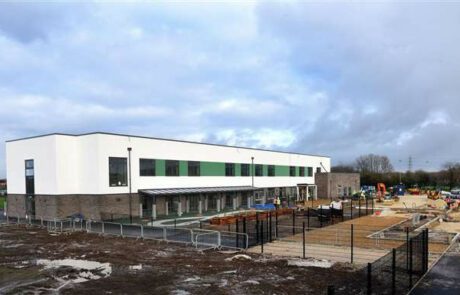
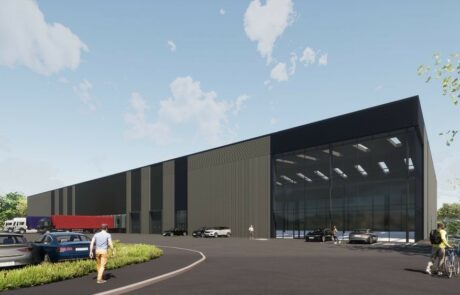
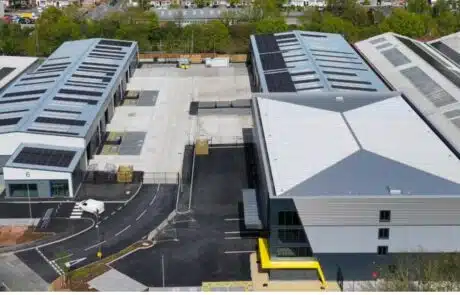
Thomas Consulting approached Menard to explore ground improvement options for a new padel court development at Ringtail Court, Burscough. Padel, a fast-growing sport combining tennis and squash, has seen a surge in popularity across the UK, creating urgent demand for purpose-built facilities. With limited infrastructure and long waiting times, new centres like the one proposed in Burscough are essential to support participation, coaching, and community engagement.
Ground Conditions
The ground conditions revealed a subsurface profile dominated by made ground and Devensian Till. The made ground was generally shallow, less than one metre, but locally reached depths of up to three metres. It consisted of granular and cohesive materials with construction debris. Beneath this, the natural strata was mostly firm to stiff clay, although very soft, waterlogged clay was encountered in the southwest quadrant of the site.
Further investigation with Cone Penetration Testing (CPT) confirmed these findings, identifying soil types primarily as clays and silty clays, with occasional sand and gravelly sand. Groundwater monitoring indicated perched water within the clay, with standing levels between 1.1 and 2.1 metres below ground level.
Solution
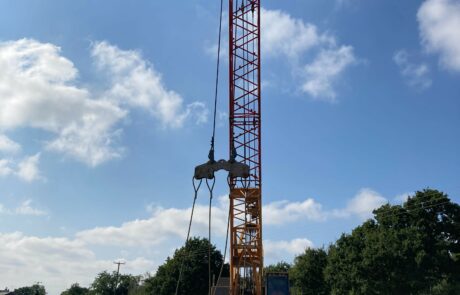
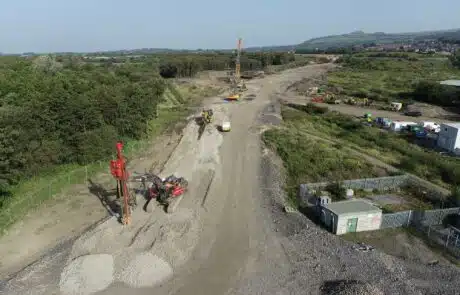
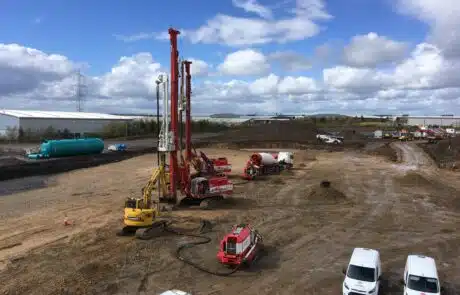
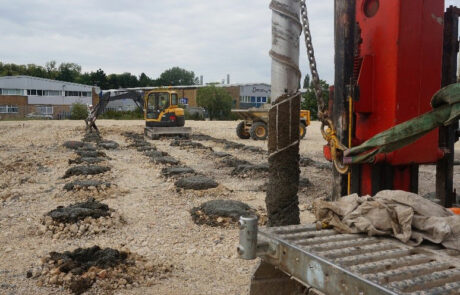
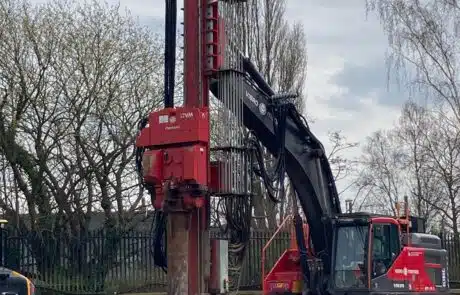
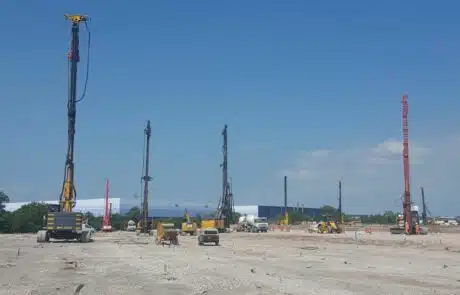
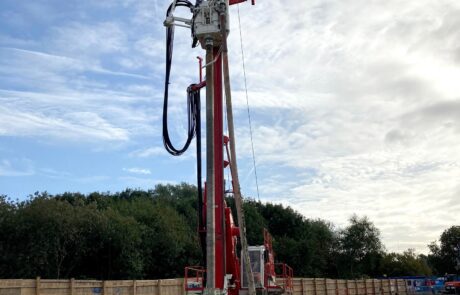
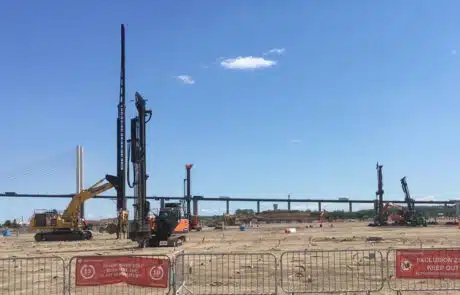
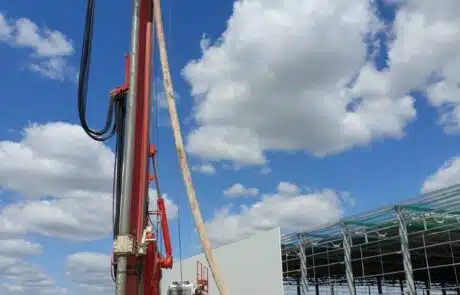
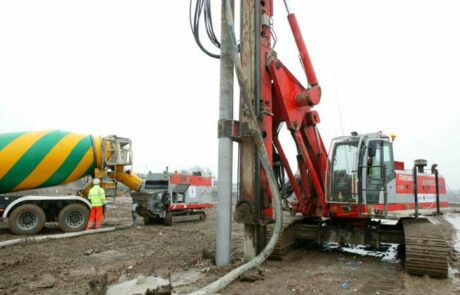
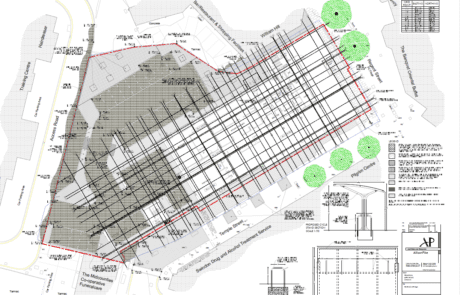
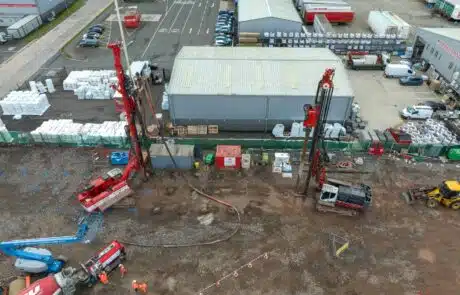
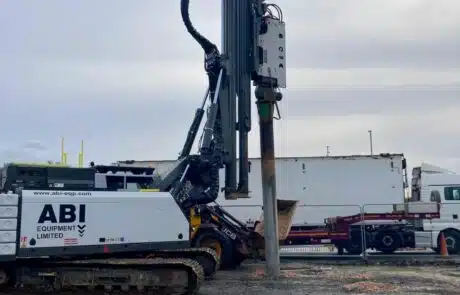
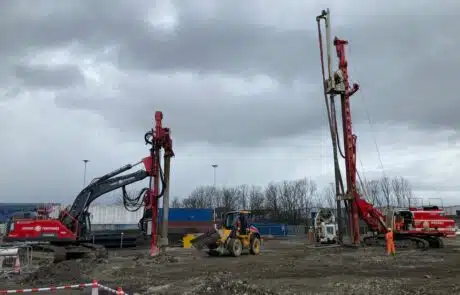
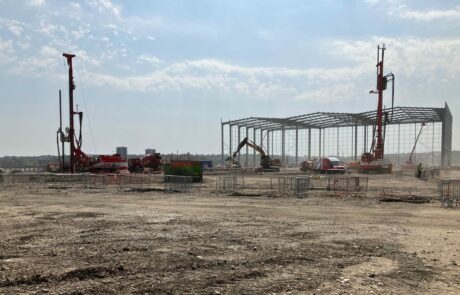
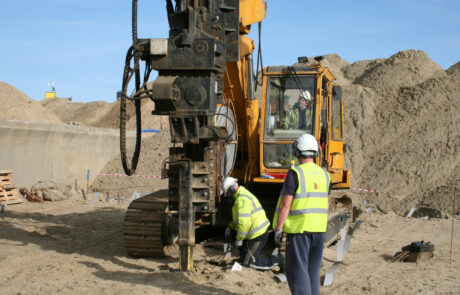
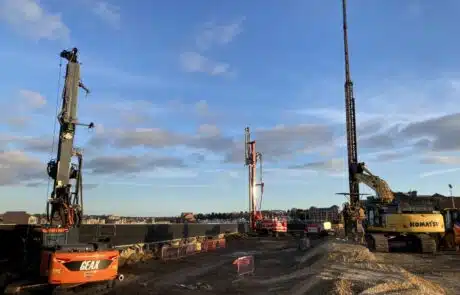
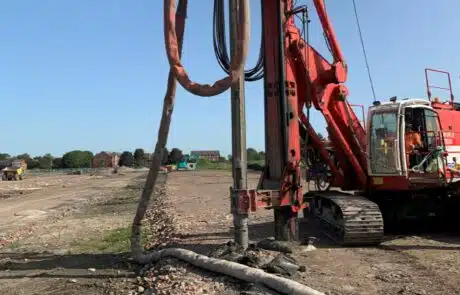
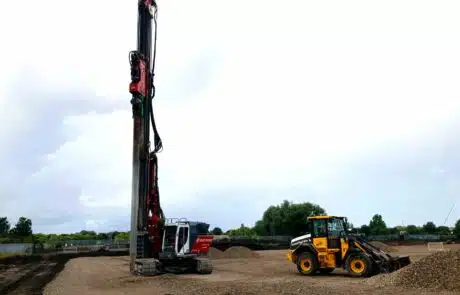
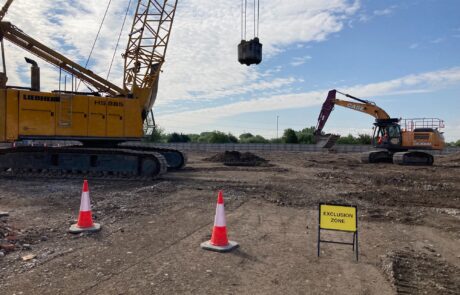
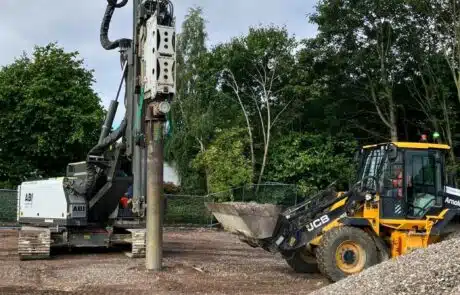
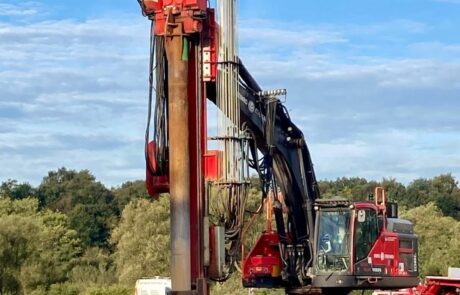
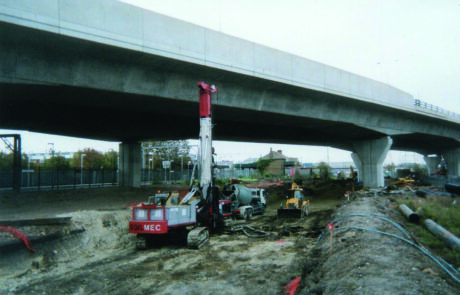
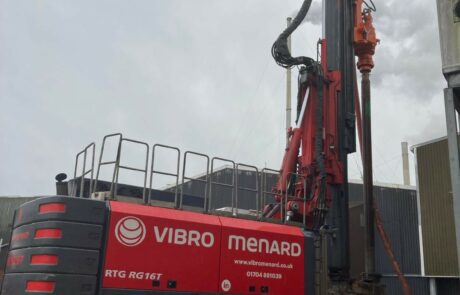
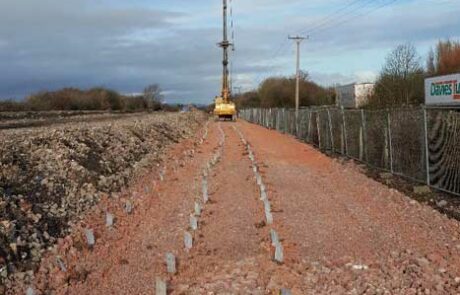
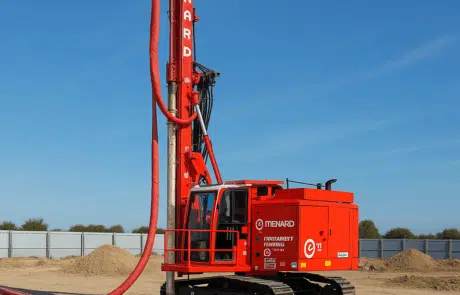
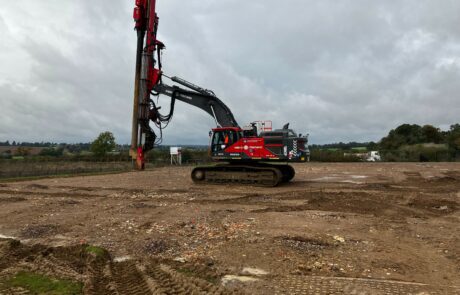
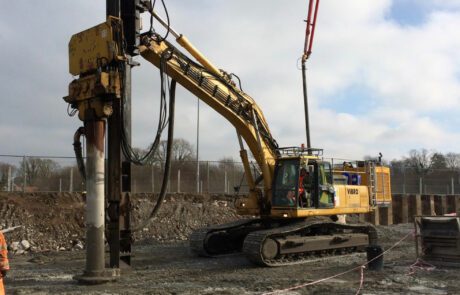
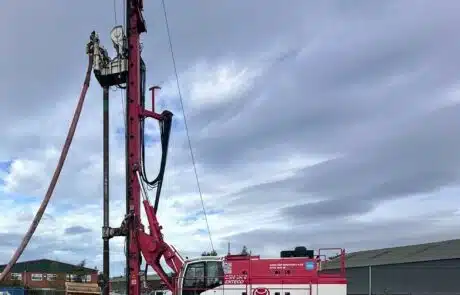
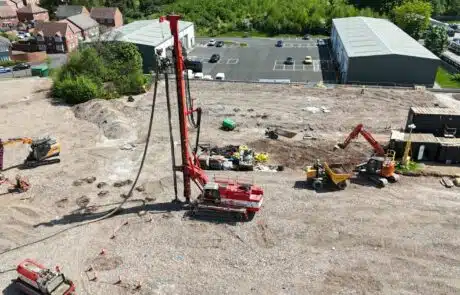
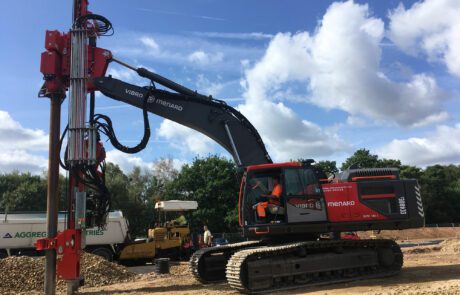
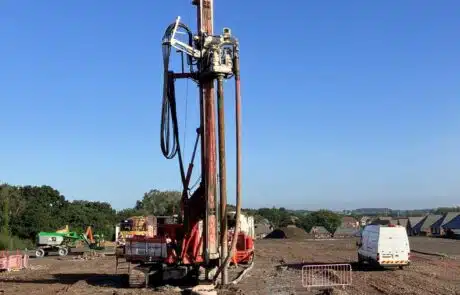
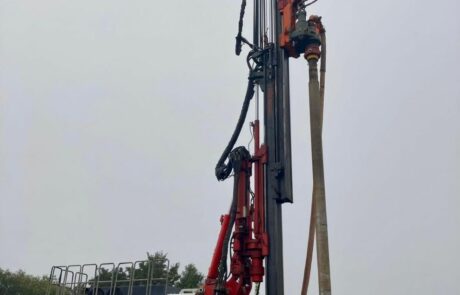
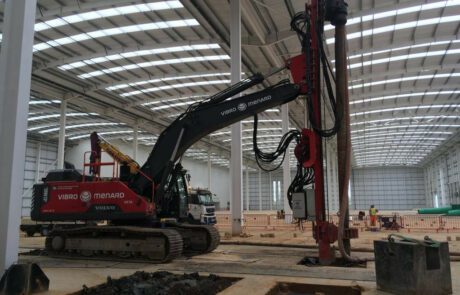
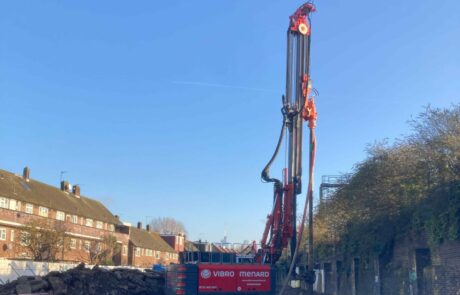
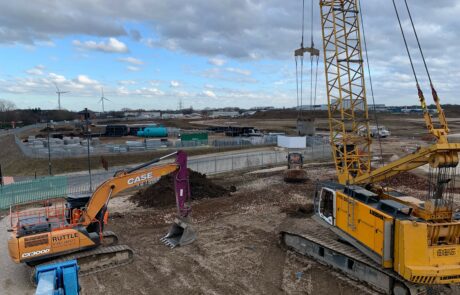
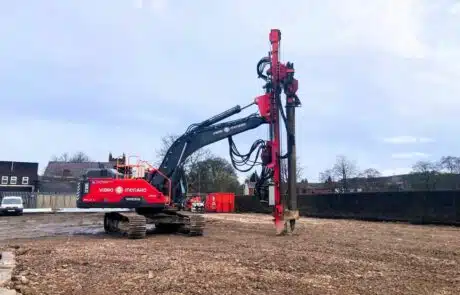
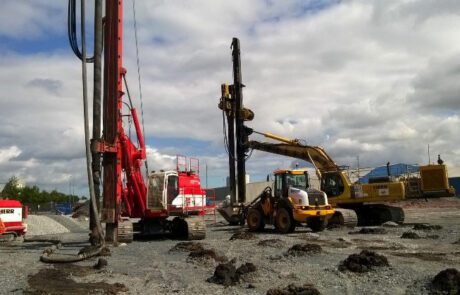
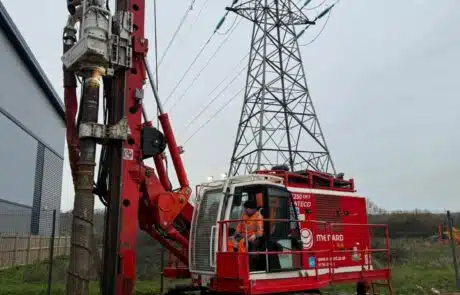
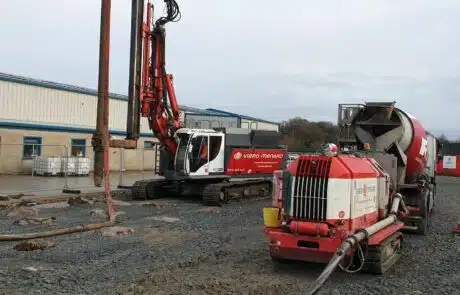
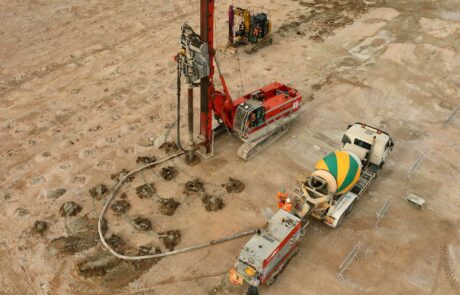
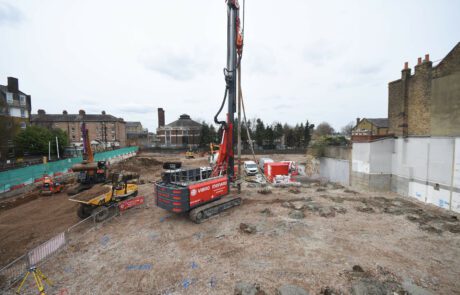
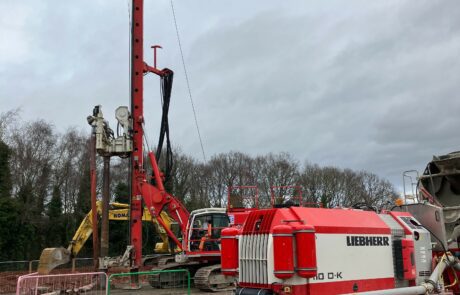
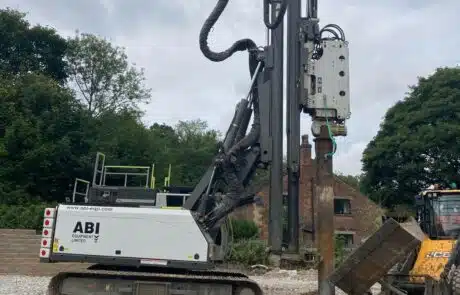
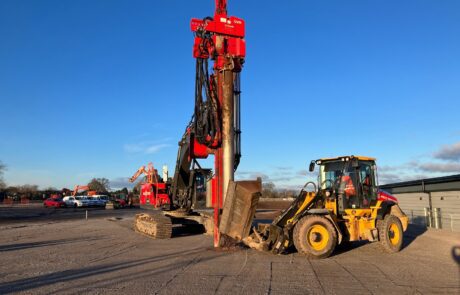
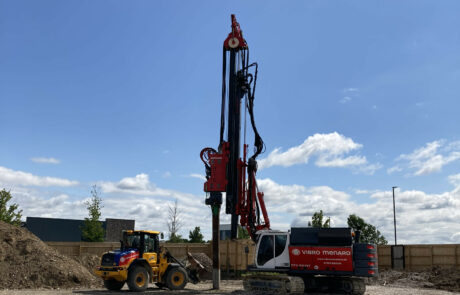
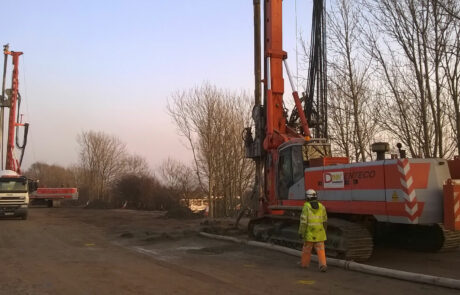
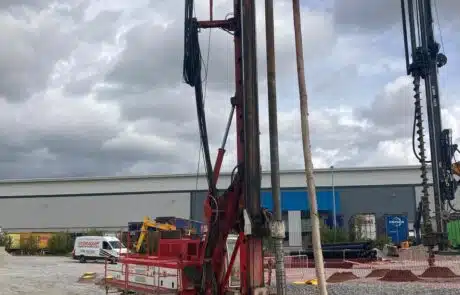
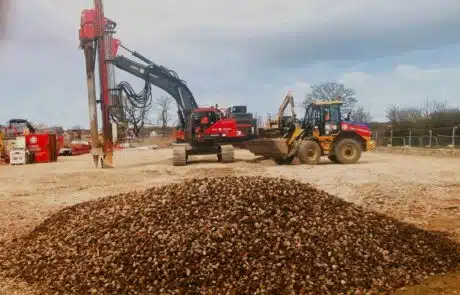
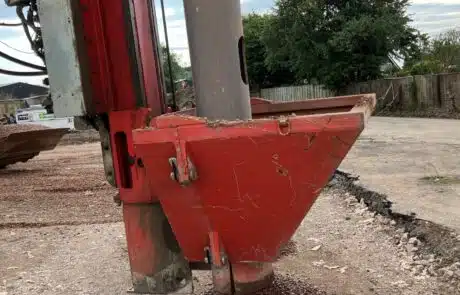
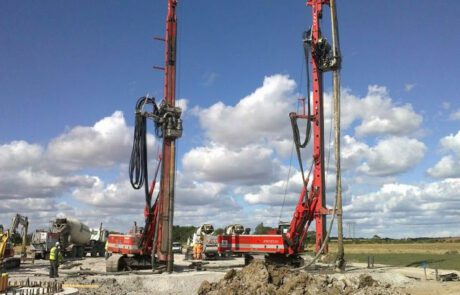
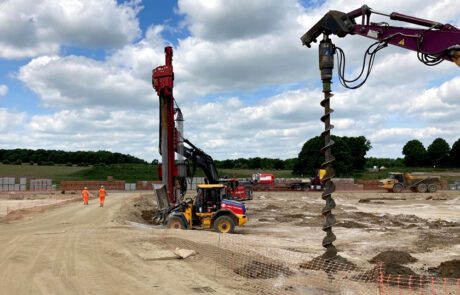
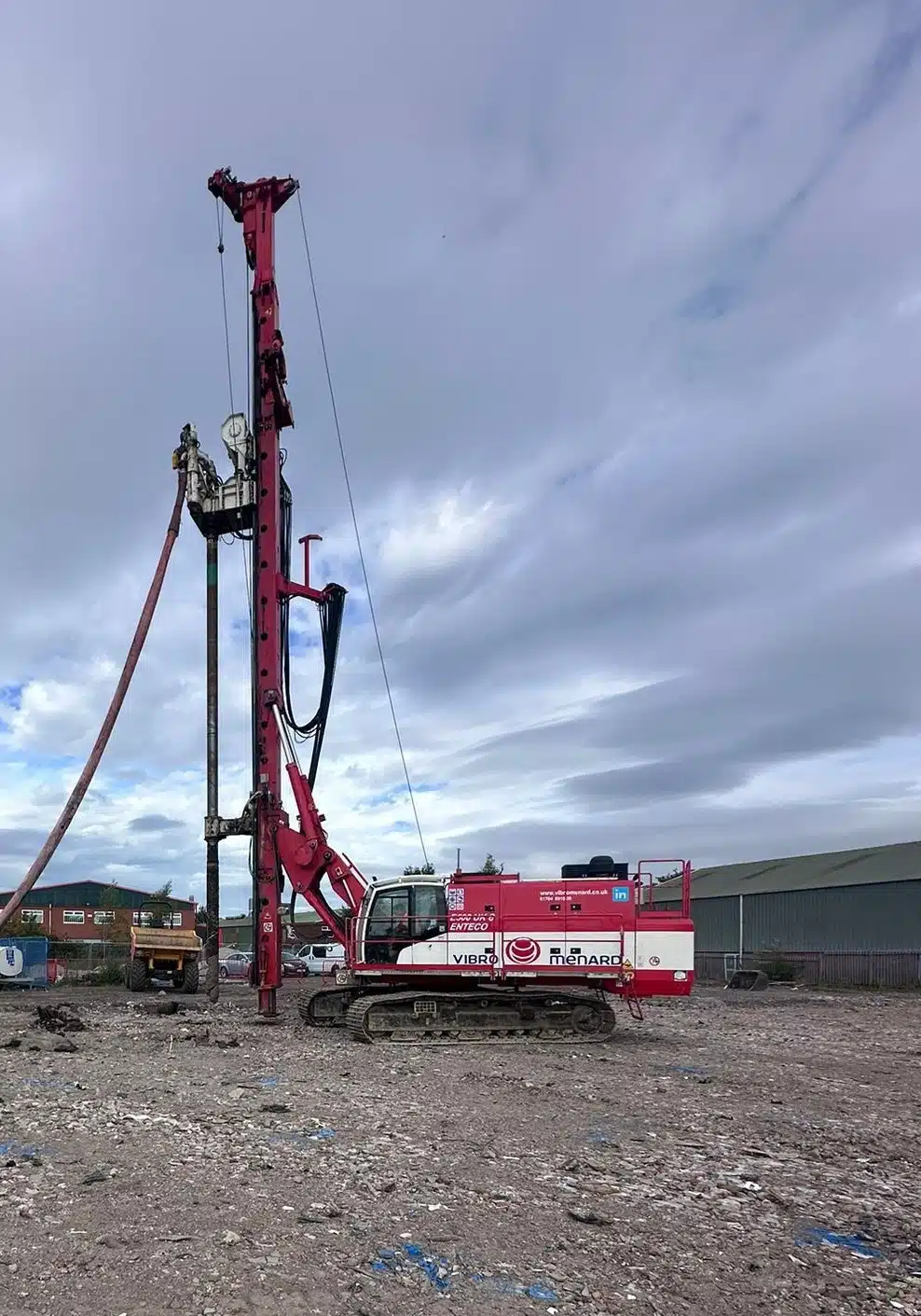
To address the site’s variable made ground and zones of very soft clay, the Controlled Modulus Column (CMC) system was selected as a suitable ground improvement solution. Installed using low vibration displacement techniques, the CMC technique minimised spoil generation and was well suited to the urban, environmentally sensitive setting. The use of CMCs enabled ground bearing slabs and conventional pad and strip foundations, eliminating the need for deep excavation or piling. The process resulted in an overall improvement of soil stiffness and bearing capacity, reducing both total and differential settlements, particularly in the southwest quadrant, where clay variability was most pronounced. The technique also avoided contaminant migration and dewatering, aligning with the site’s limited contamination and perched groundwater. A total of c.390 CMCs were installed to depths of 4.9–7.6 m. Foundations were designed for SLS bearing capacities of 200 kPa beneath footings and 30 kPa beneath slabs, with residual settlements limited to 25 mm and differential settlements to 1/500. Due to high demand for padel courts, the project progressed rapidly, with Menard’s CMC rig mobilized just ten weeks after the initial enquiry.