OWNER:
DP WORLD
ENGINEER:
Ramboll
GENERAL CONTRACTOR:
McLaughlin & Harvey
MAIN FIGURES:
c.2,500 points, depth 6m to 19m
Project Details
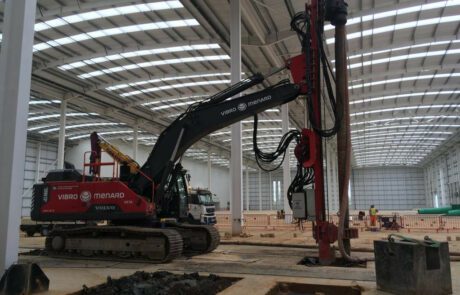
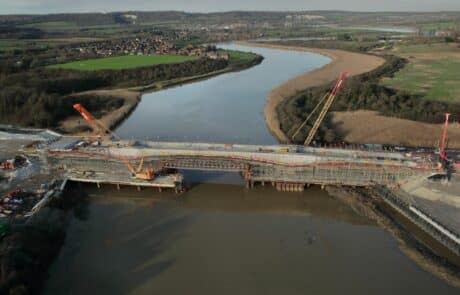
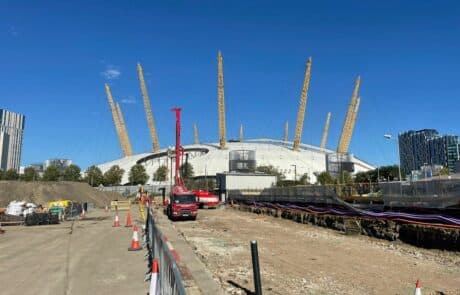
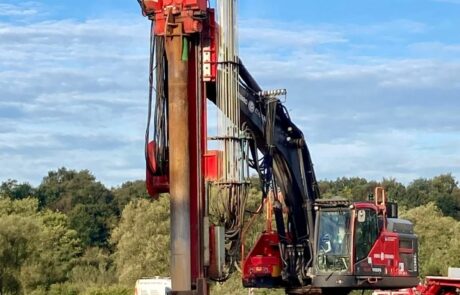
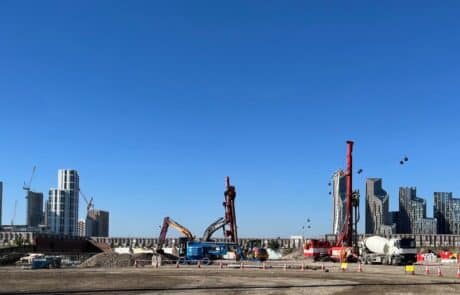
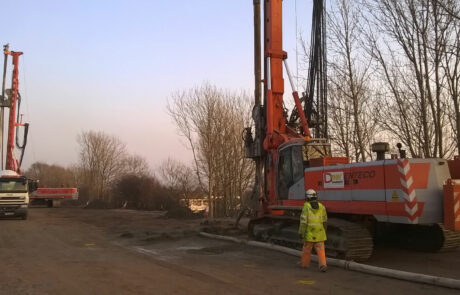
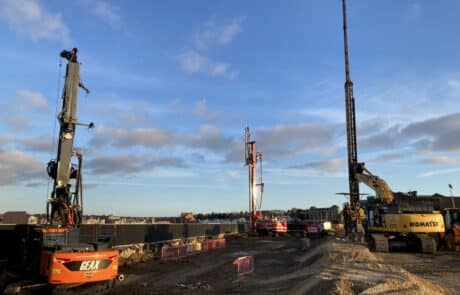
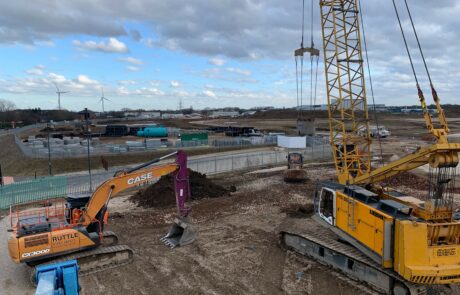
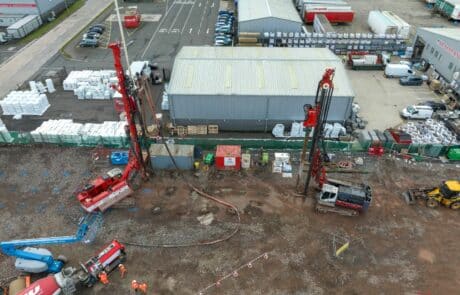
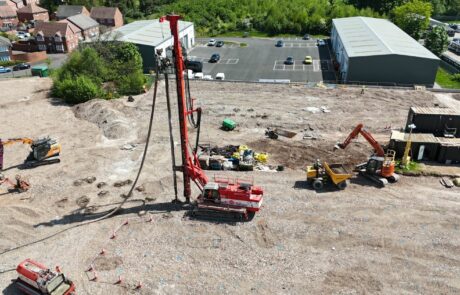
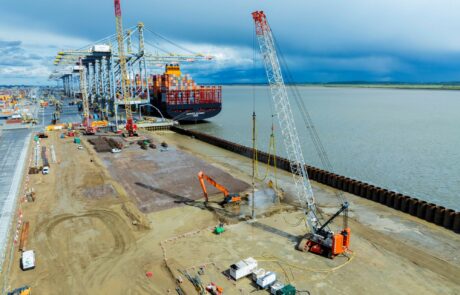
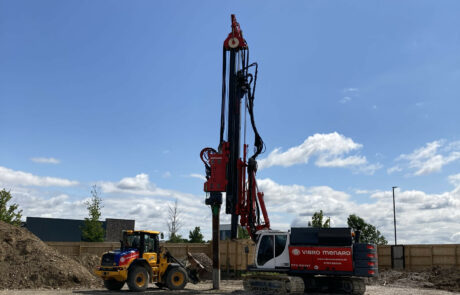
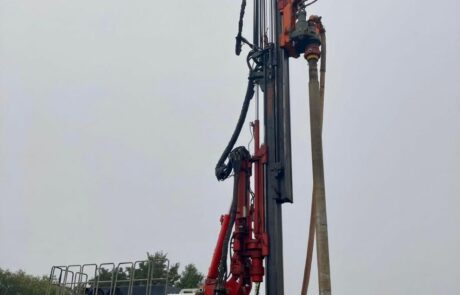
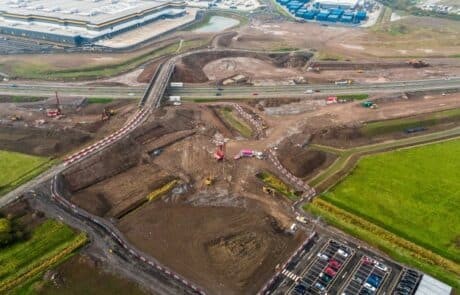
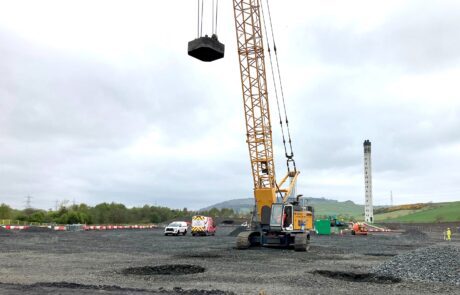
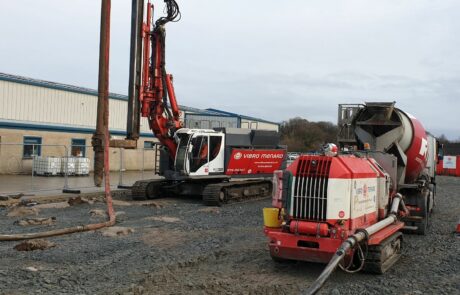
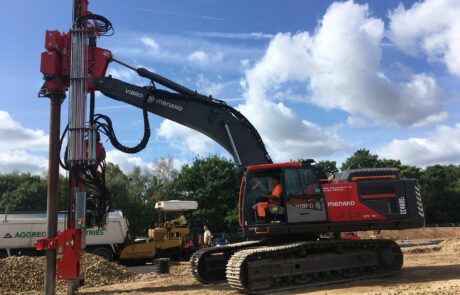
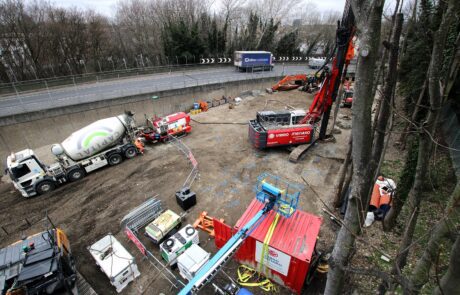
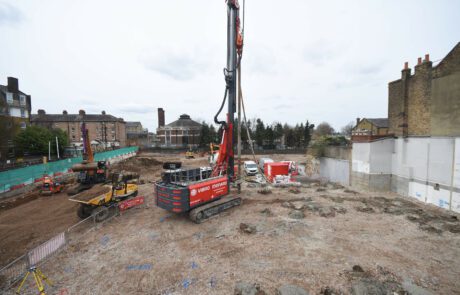
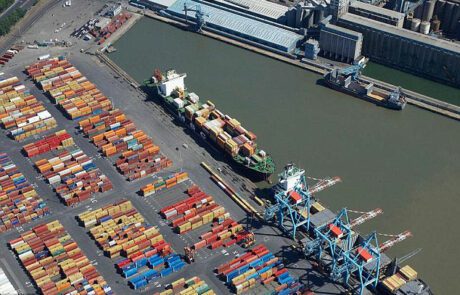
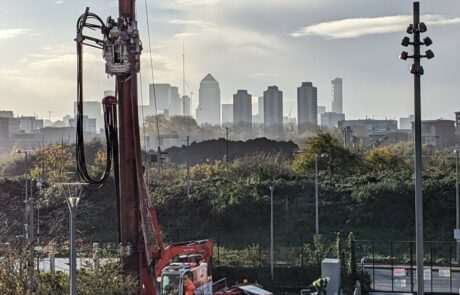
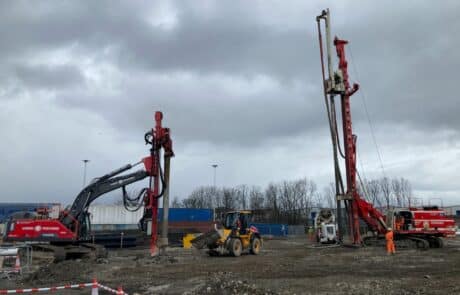
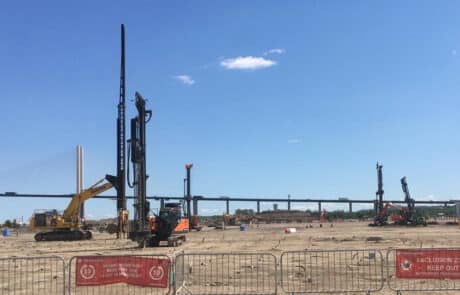
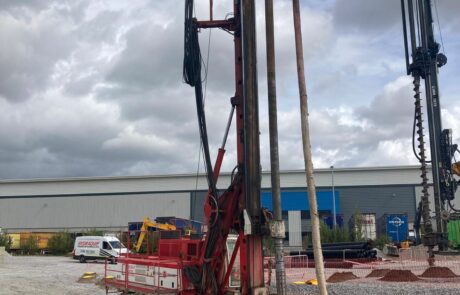
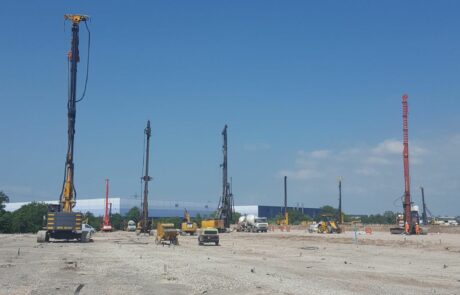
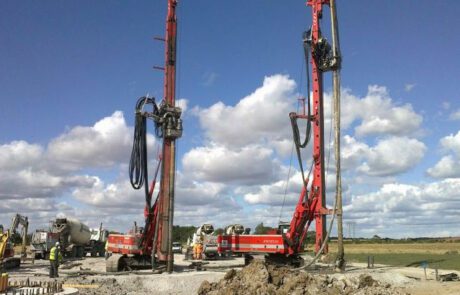
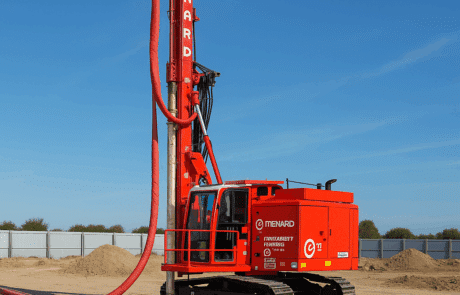
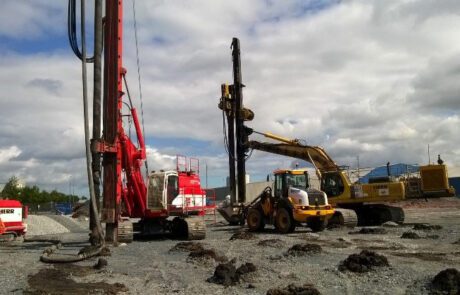
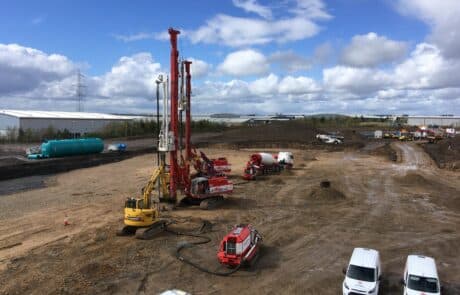
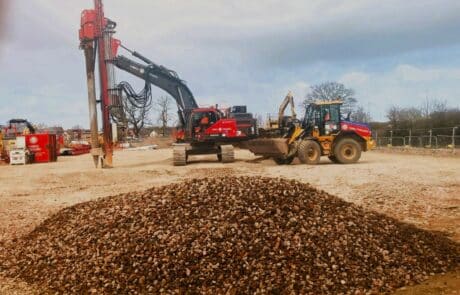
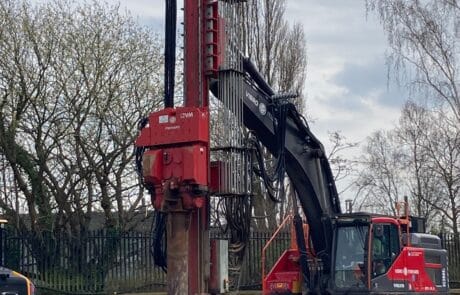
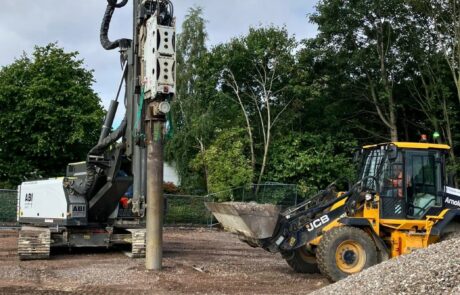
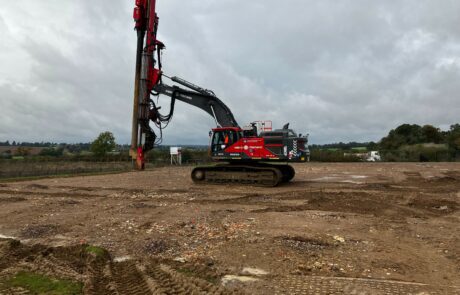
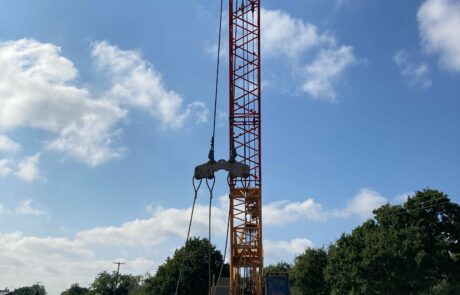
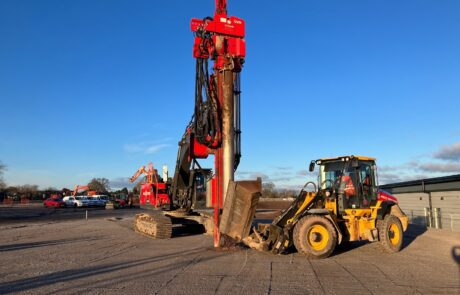
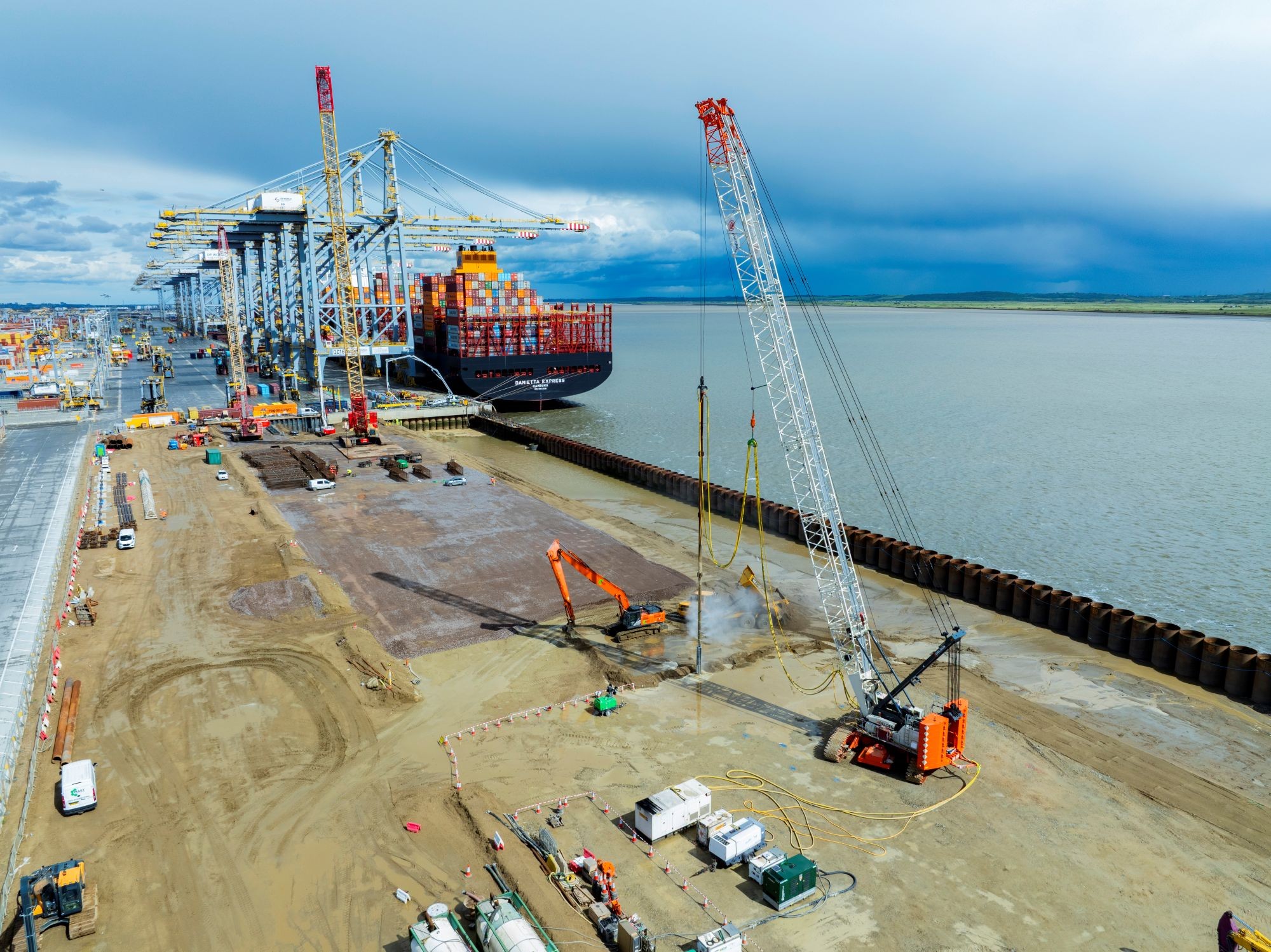
McLaughlin & Harvey engaged Menard to undertake the Vibro Compaction works for Berth 5 at London Gateway, involving the treatment of approximately 430 m of quay extension to increase the total berth length to 1.7 km. Upon completion, the £350 million Berth 5 development will establish London Gateway as the UK’s largest container port.
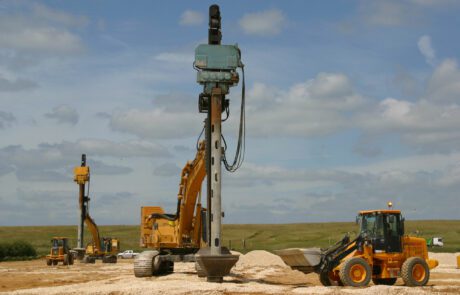
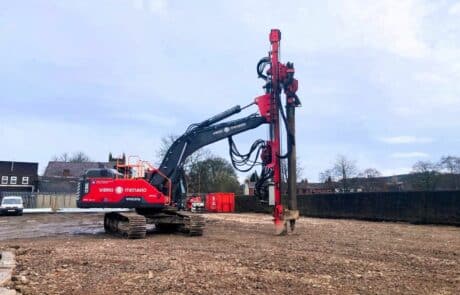
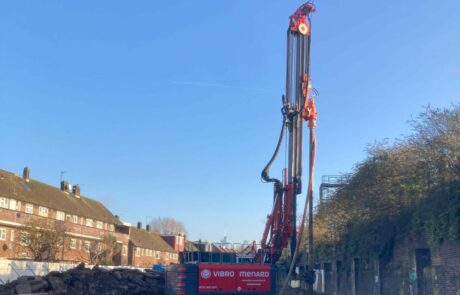
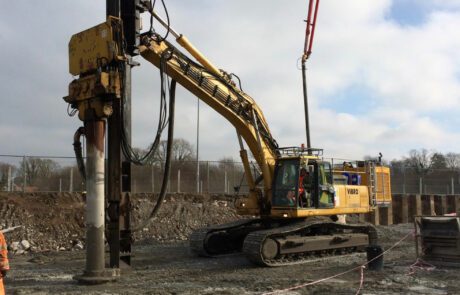
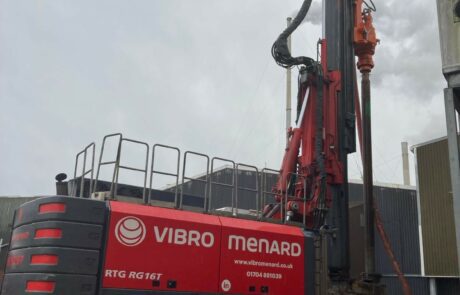
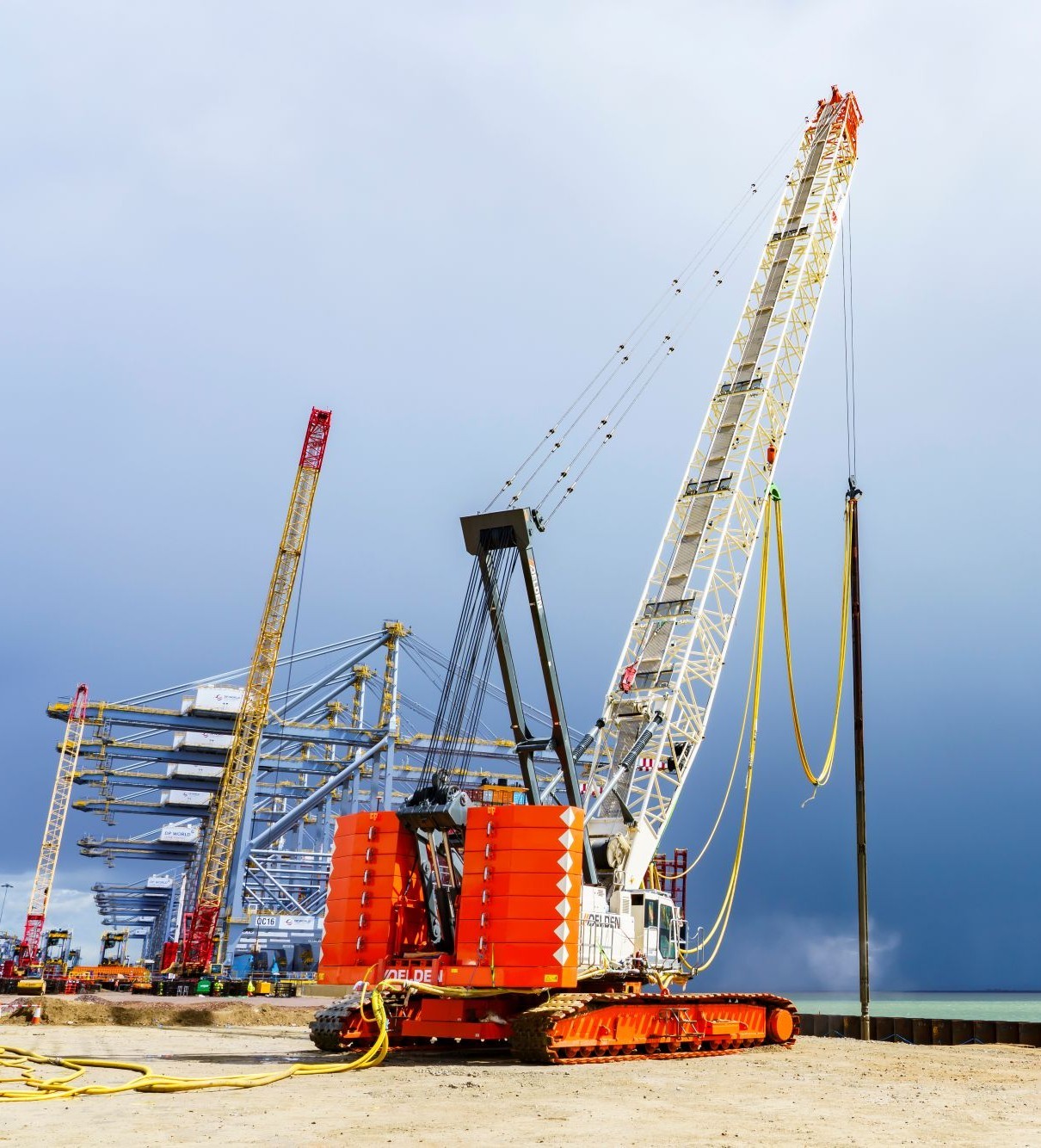
As part of the works, Menard was tasked with densifying more than 230,000 m³ of hydraulically placed sand fill using Vibro Compaction. Following the successful delivery of the initial scope, Menard was subsequently awarded the extension works for Berth 6, comprising an additional 48 m of berth length and the treatment of a further 27,000 m³ of fill.
Ground Conditions
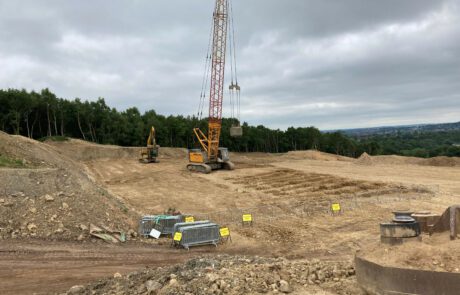
The new berth was constructed on newly placed fill material dredged from the Thames Estuary. The ground requiring compaction therefore comprised predominantly sand and gravel deposits extending from the working platform level down to the original Thames seabed, at depths of up to 19 m.
In addition, tidal restrictions applied to the vibro compaction works due to the proximity of the treatment area to the quay wall. These restrictions were implemented to ensure the stability and integrity of the quay structure throughout the ground improvement operations.
Solution
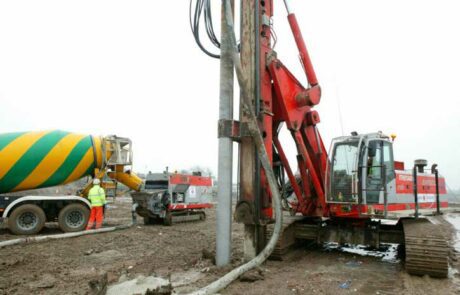
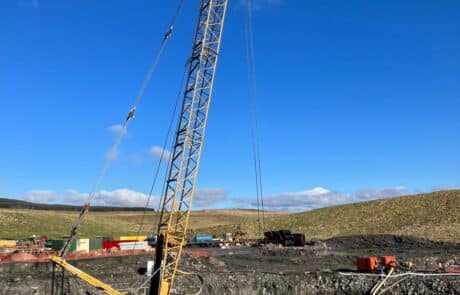
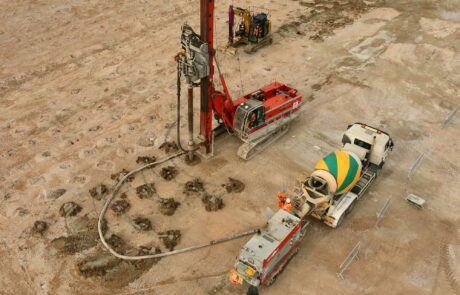
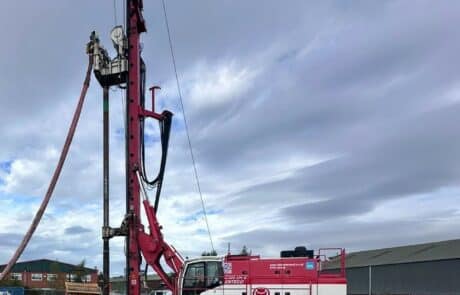
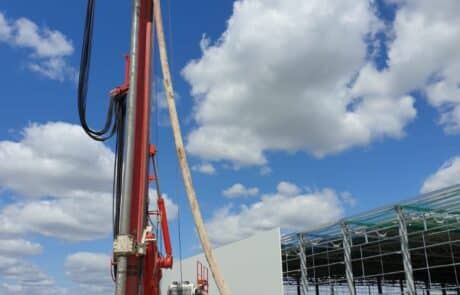
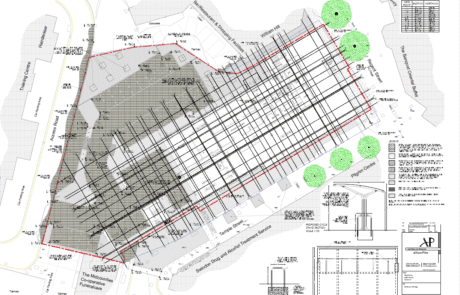
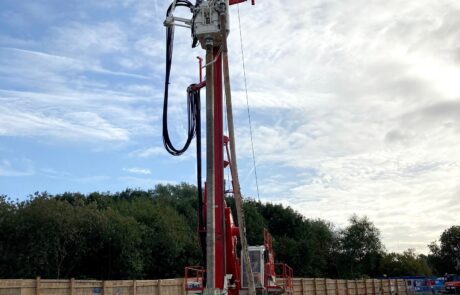
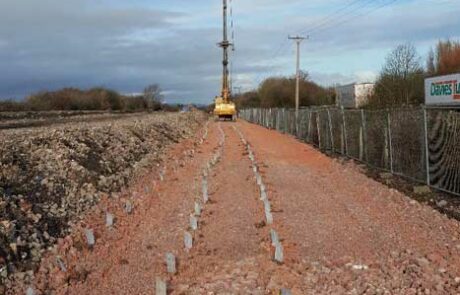
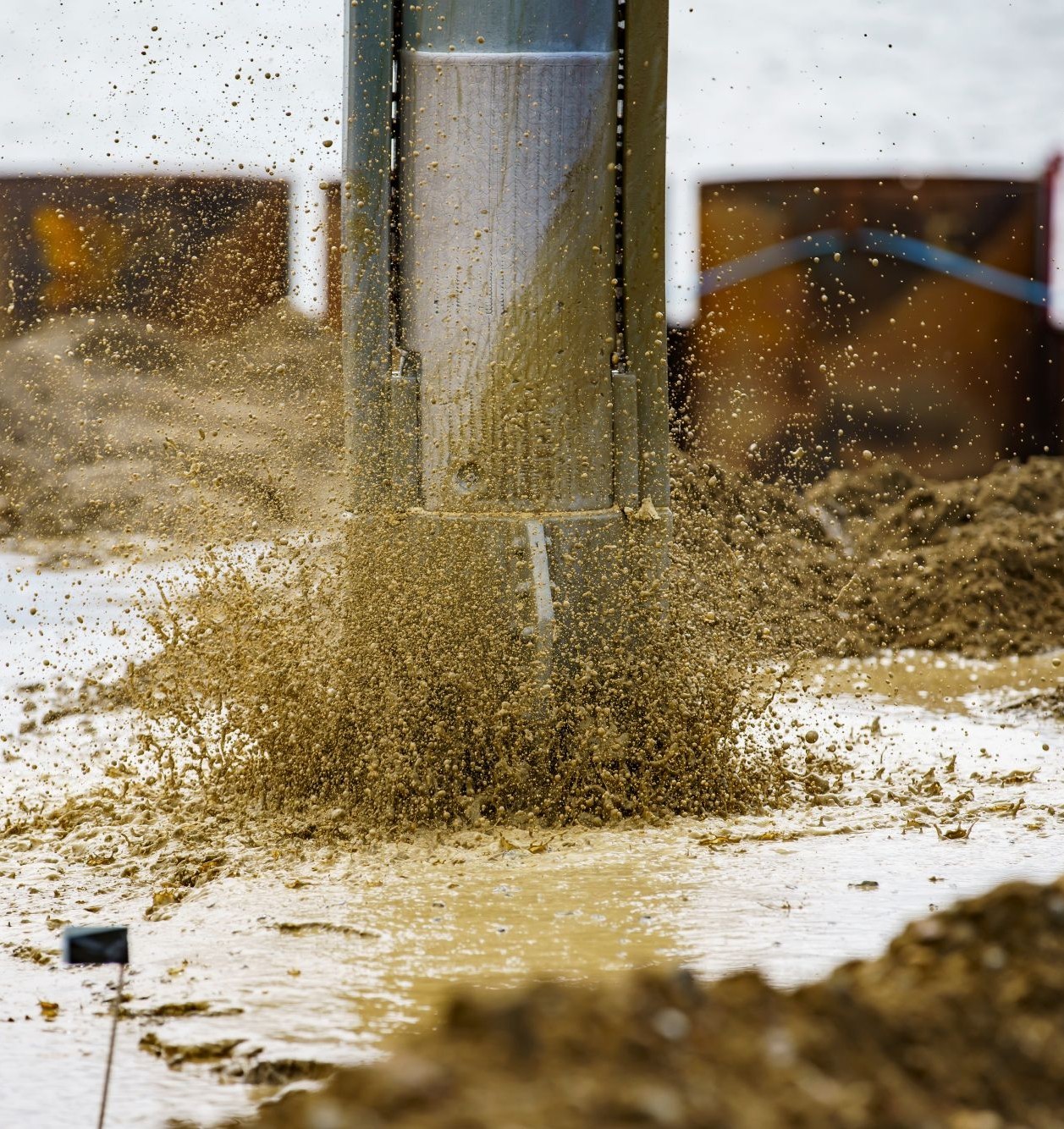
Vibro Compaction was required to achieve a minimum relative density of 80% within the treated fill. Assessment of the Particle Size Distribution (PSD) of the fill material was required to confirm the suitability and compactability of the hydraulically placed fill and to enable selection of the most appropriate Vibro Compaction equipment and operating frequency. A site trial was undertaken using a range of triangular treatment spacings and post-treatment CPT testing was carried out to evaluate the effectiveness of the compaction. This identified the most efficient treatment grid for implementation across the remainder of the project.
Throughout the works, regular CPT testing was performed to verify the consistency of the compaction quality, monitor compliance with the project requirements, and confirm that the specified performance criteria were achieved for handover.
Sustainable development
This project demonstrates sustainability by reusing locally dredged material from the Thames Estuary to create the new berth, reducing the need for imported fill and minimising transportation-related carbon emissions. The use of vibro compaction ground improvement does not require any extra materials to be added and so has a much lower carbon-footprint compared to alternative solutions, such as deep piling.