OWNER:
Renfrewshire Council
ENGINEER:
AMEY
GENERAL CONTRACTOR:
Farrans Construction
MAIN FIGURES:
c.390 CMCs, c.680 BMCs and c.200 VSCS
Project Details
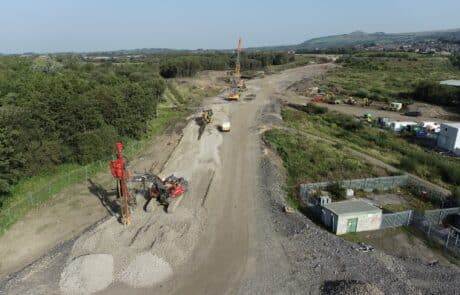
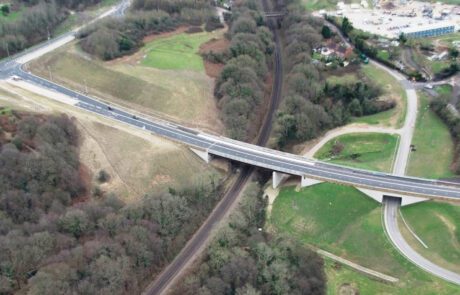
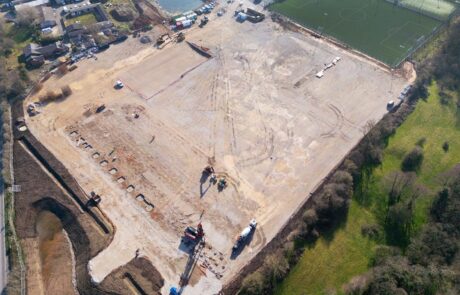
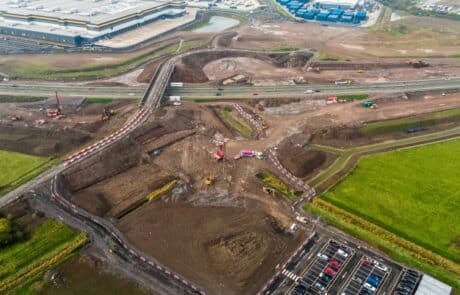
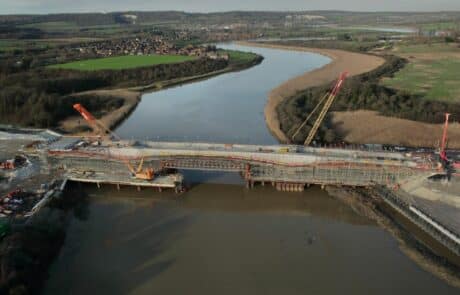
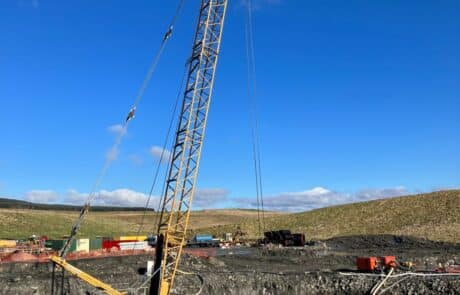
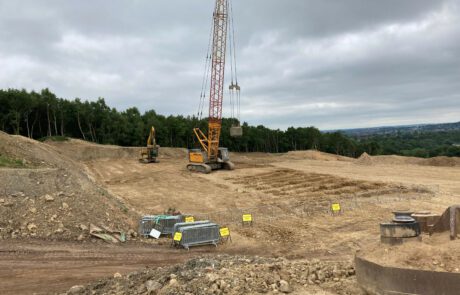
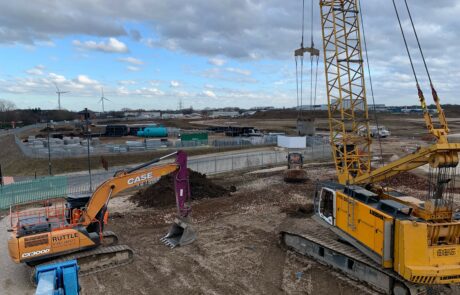
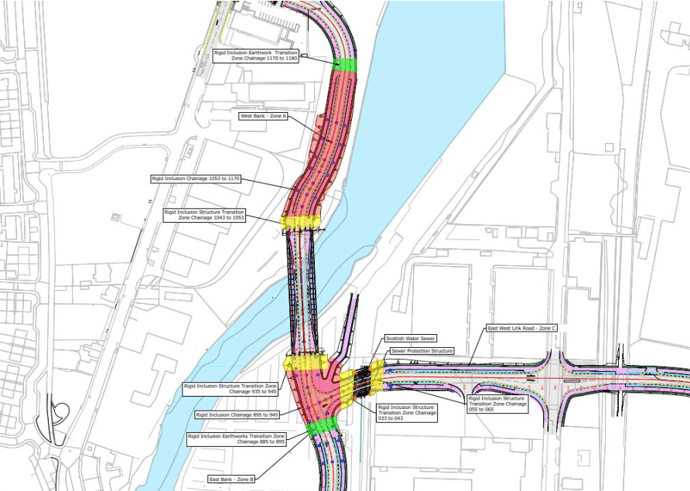
To connect Paisley with the Advanced Manufacturing Innovation District Scotland (AMIDS) and Glasgow Airport, a new £60m road and pedestrian bridge has been constructed over the White Cart Water in Paisley. Funding was provided by the UK Government Levelling-Up Fund, Renfrewshire Council and Transport Scotland. Whilst the bridge abutments are piled, the approach embankments (up to 2.8m high) required an innovative range of Ground Improvement techniques to reduce total and differential settlements to an acceptable value.
Ground Conditions
The ground comprises a layer of mixed stiff clay and dense sandy Made Ground up to 3m thick, overlying very soft to soft natural alluvial Clay from the White Cart River, which extended to depths up to 11m. This was underlain by firm becoming stiff and very stiff overconsolidated Clay, with bedrock present at depth.
Solution
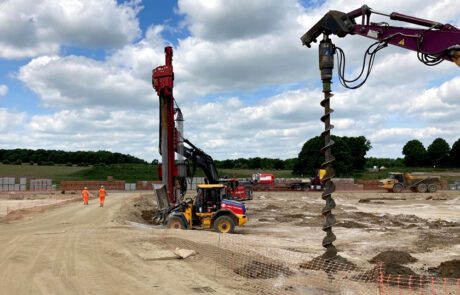
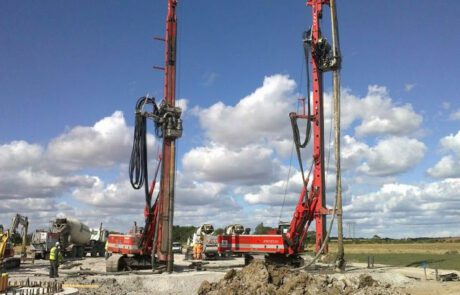
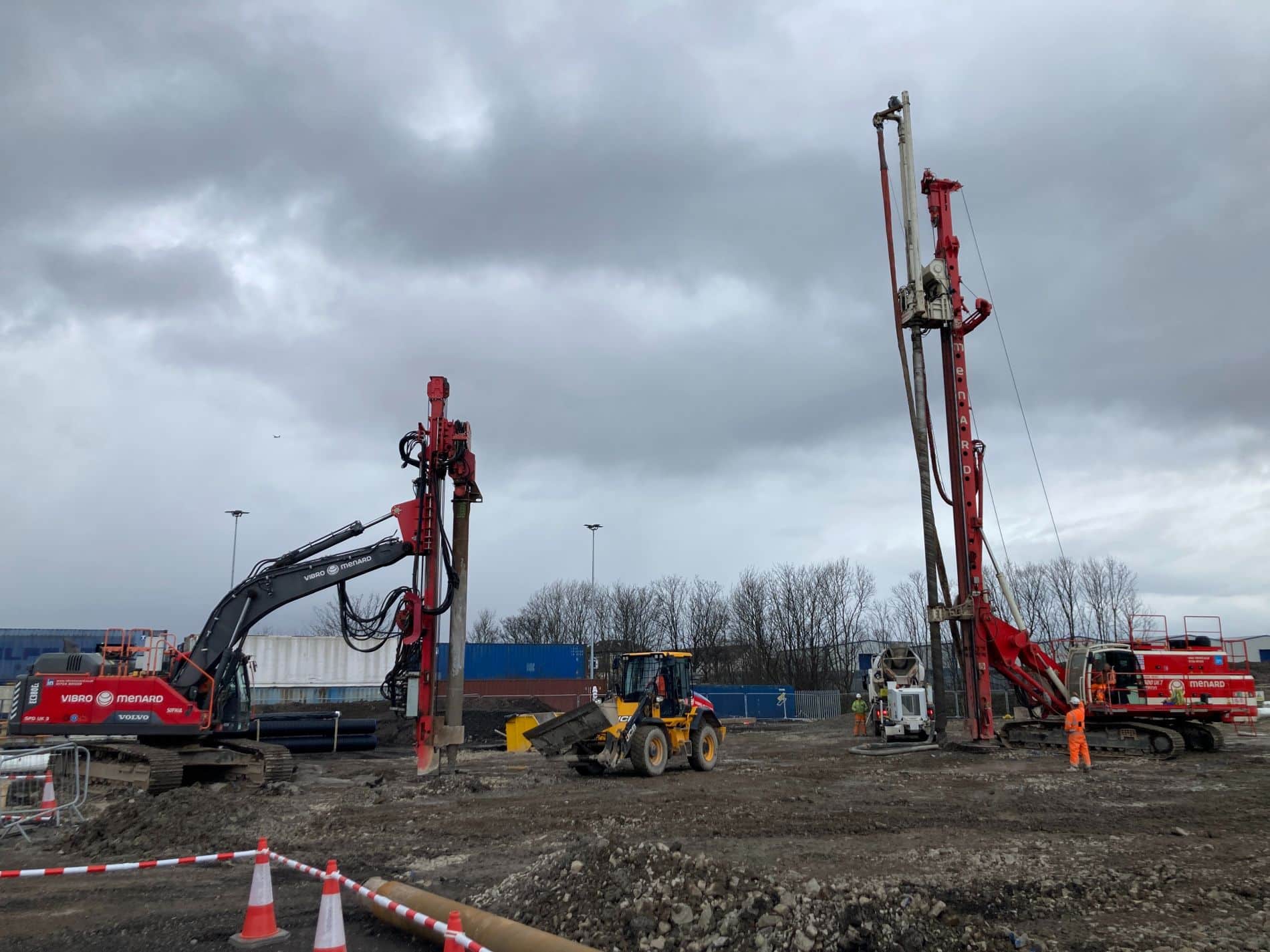
To support the approach embankments for the bridge, Menard designed a bespoke ground improvement solution combining three different techniques.
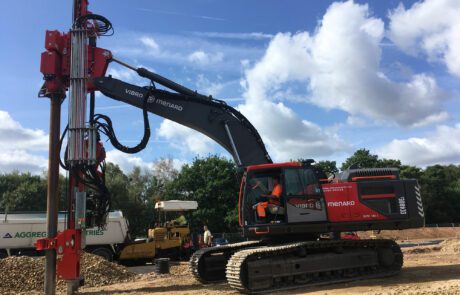
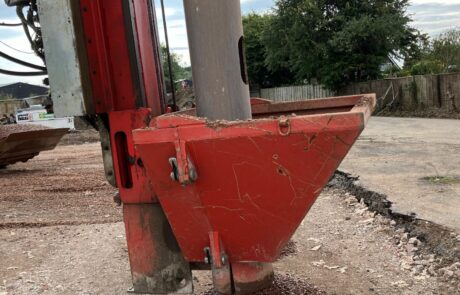
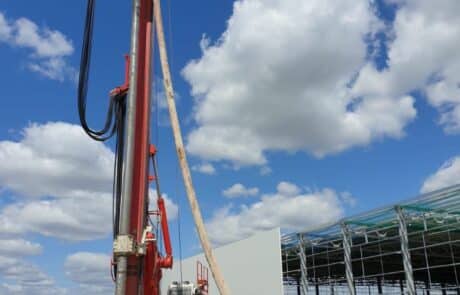
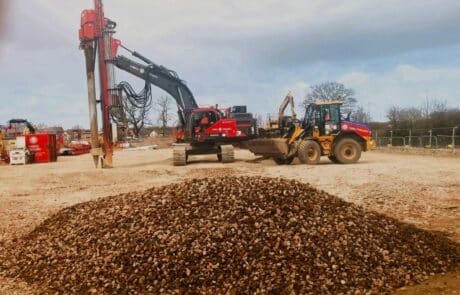
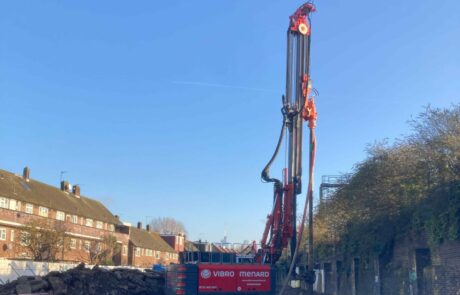
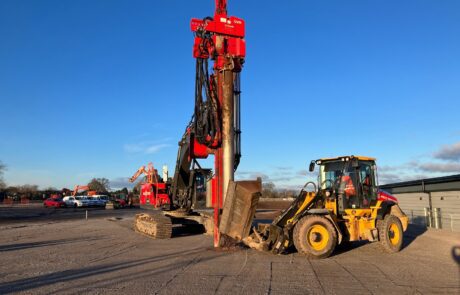
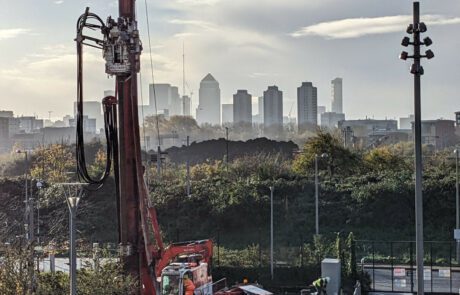
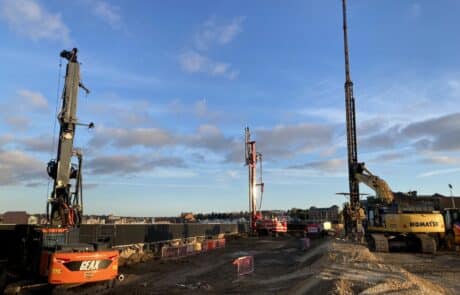
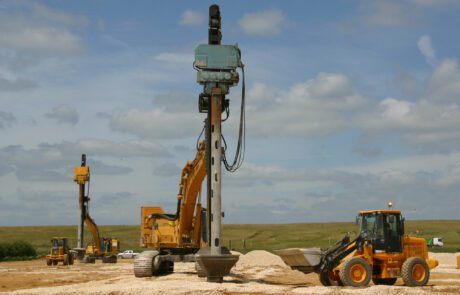
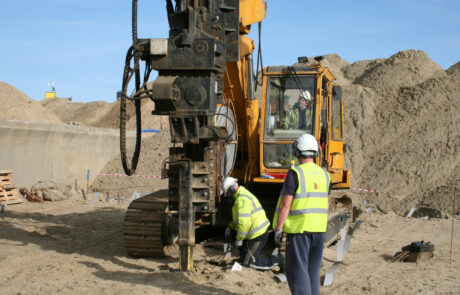
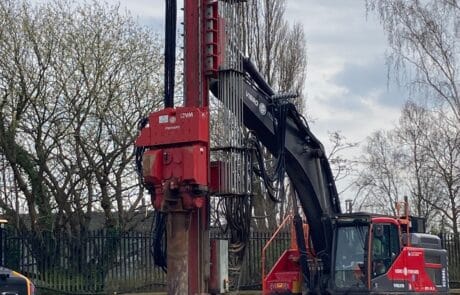
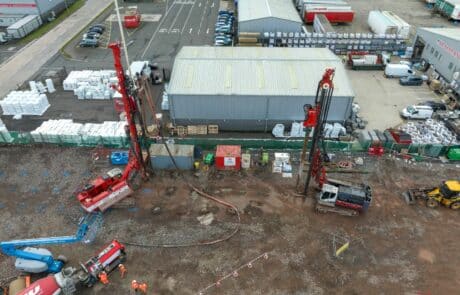
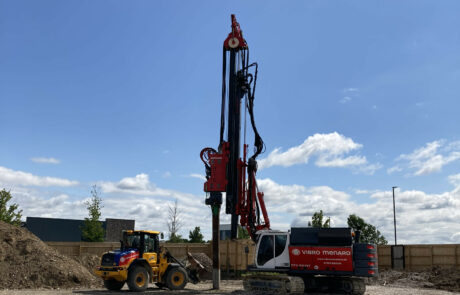
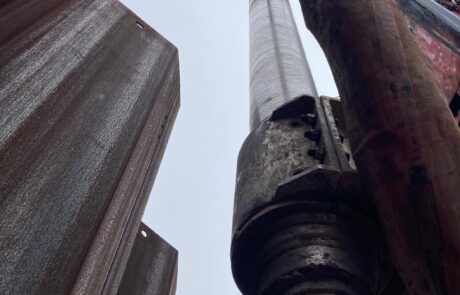
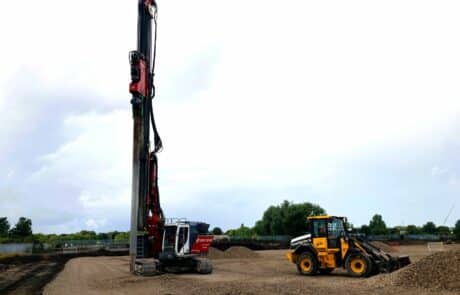
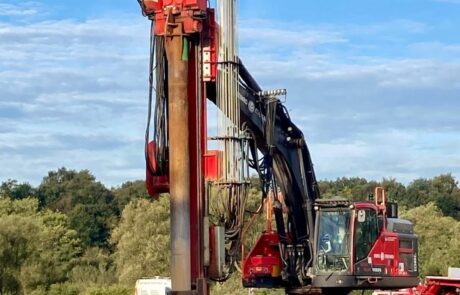
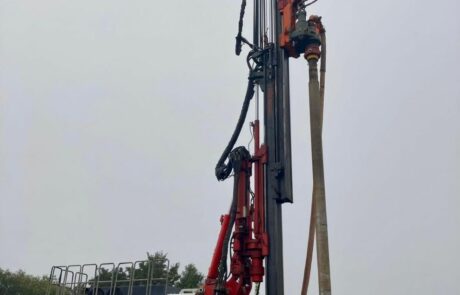
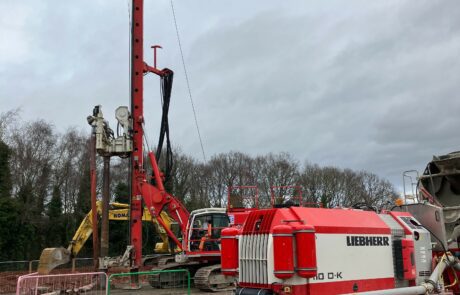
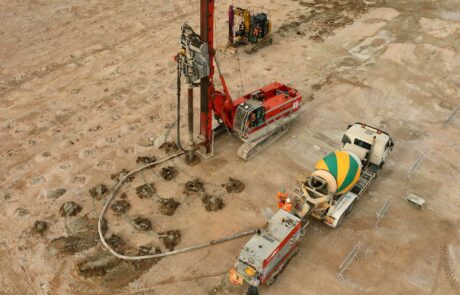
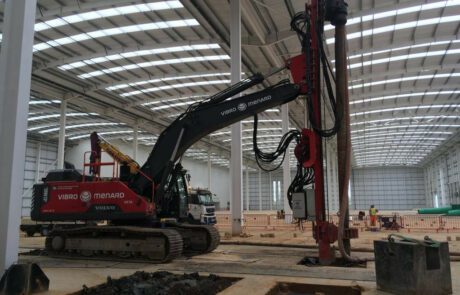
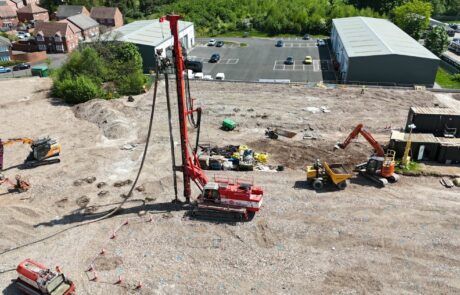
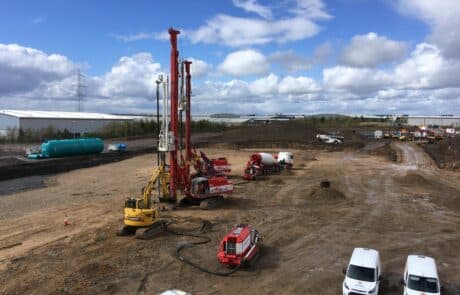
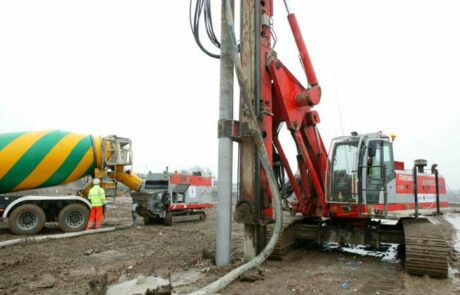
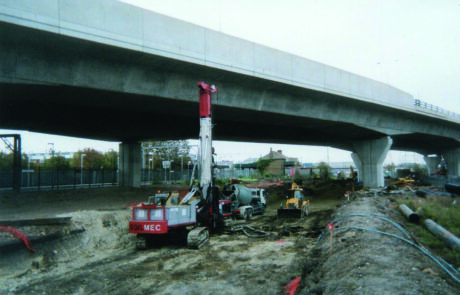
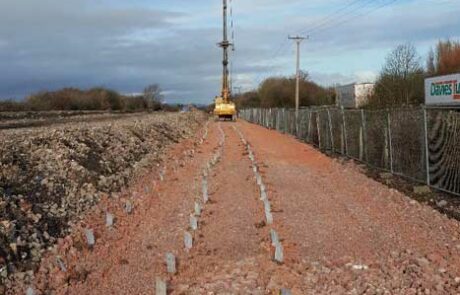
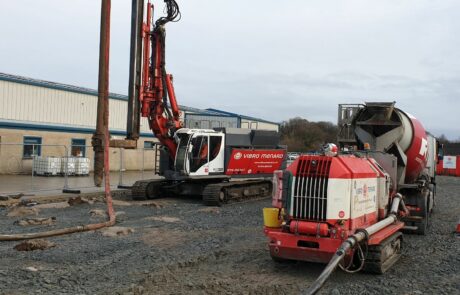
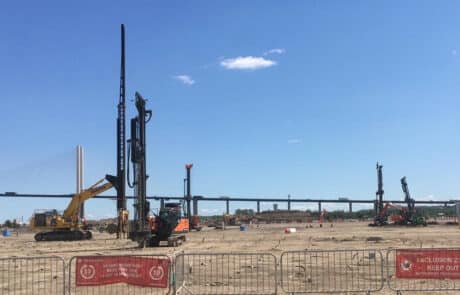
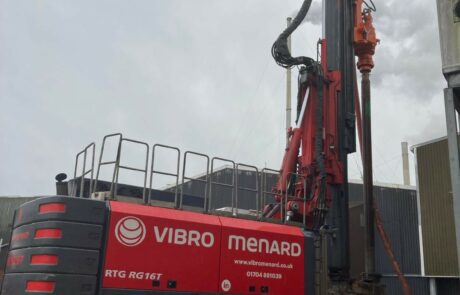
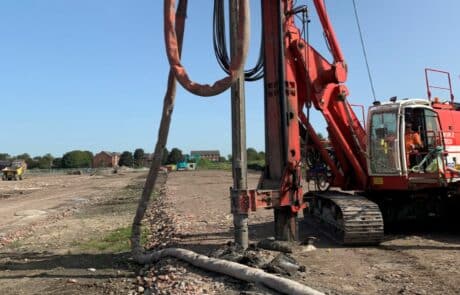
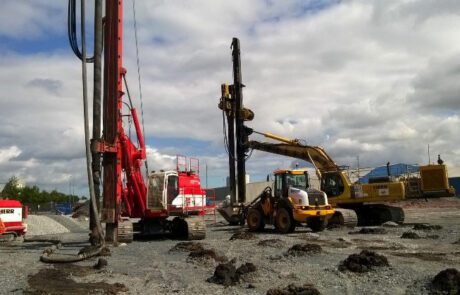
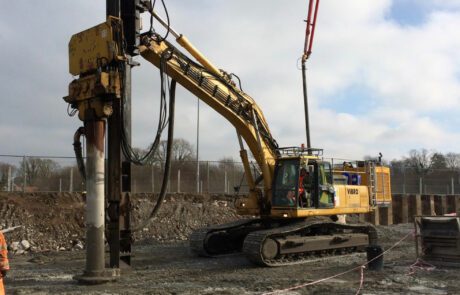
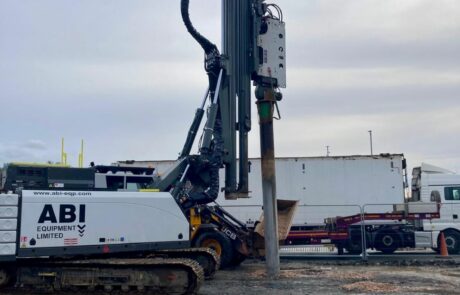
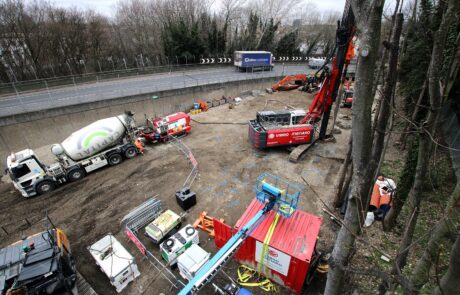
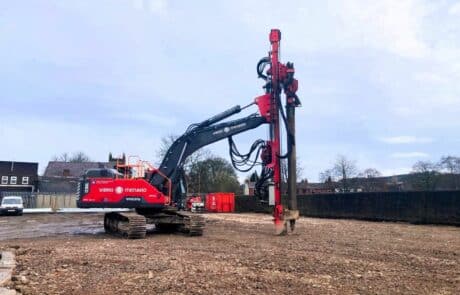
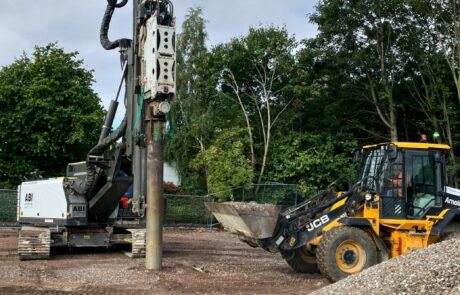
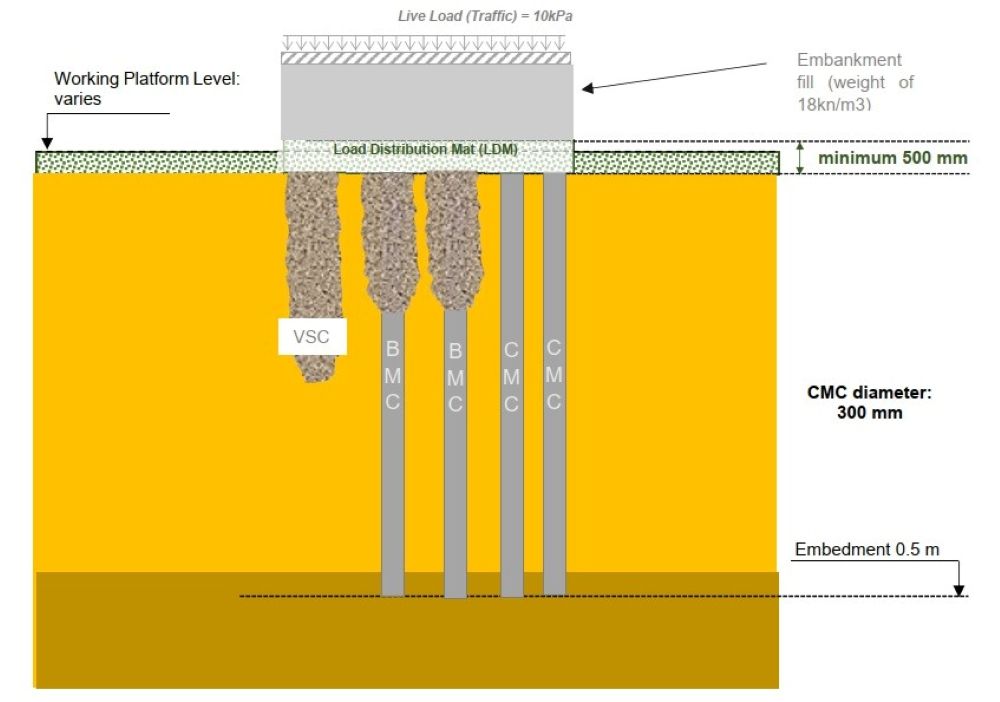
In areas of highest fill, closest to the piled bridge abutment a stiff ground improvement solution was required. Here Controlled Modulus Columns (CMCs) were installed on a tight grid pattern (approx. 1.5m to 2m). As the height of fill lessened, Bi-Modulus Columns (BMCs), were used. This is a slightly less-stiff ground improvement solution which uses a combination of concrete column (CMC) at the base, and stone column at the top. This helps provide the required Load Distribution Mattress between the concrete column and the finished surface layer, particularly where the embankment height is very shallow. This prevents the ‘egg-box’ effect where the top of the rigid concrete column might otherwise protrude and cause unacceptable differential settlement. BMCs were also installed to support drainage. As the top of the column is only stone aggregate, this provides the benefit of making it easy to excavate down to the drainage level. Finally, in areas with no fill, where only the live load of the road needed to be accounted for, Vibro Stone Columns (VSCs) were installed. This more flexible form of ground improvement helped reduce differential settlement.
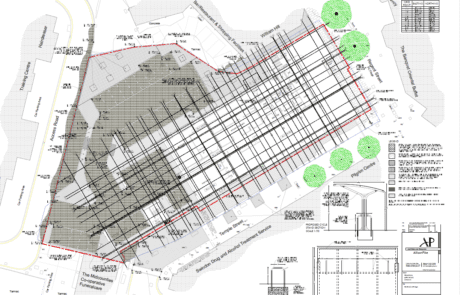
The grid spacing of the various ground improvement techniques also varied along the length of the embankments, depending on the fill height and the varying loads.
The combination of these techniques allowed total settlements to be reduced to 25mm directly behind structures (15m from abutments), and 30mm elsewhere, with total differential settlements designed to not exceed 1/250.
Sustainable development
The choice of Ground Improvement rather than piling provided cost, programme and CO2 benefits.
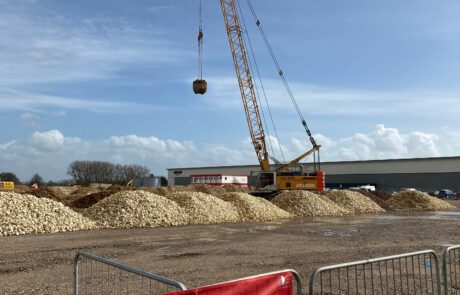
A very low-carbon concrete was used on the project (CEM III-B), as well as recycled aggregate. Menard used a local supplier for both the concrete and the aggregate, helping reduce transport emissions.