OWNER:
Prologis
ENGINEER:
RPS Consulting
GENERAL CONTRACTOR:
Winvic Construction Limited
MAIN FIGURES:
c.3,200 CMCs

Project Details
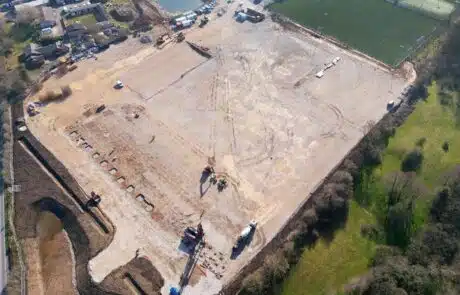
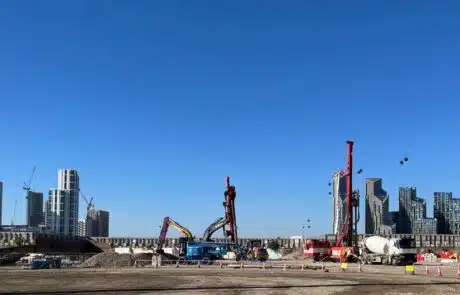
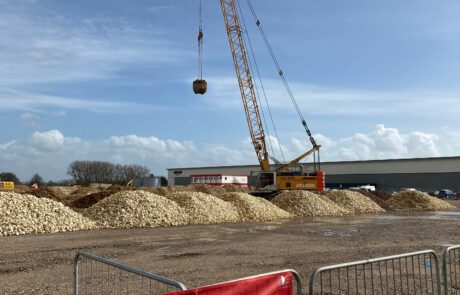
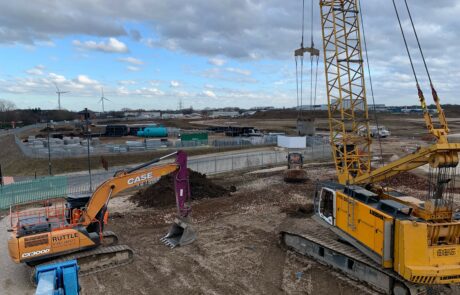
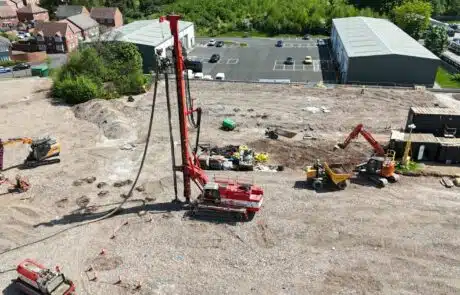
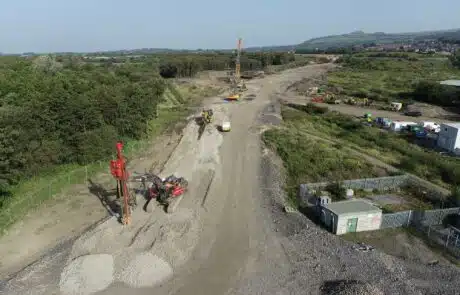
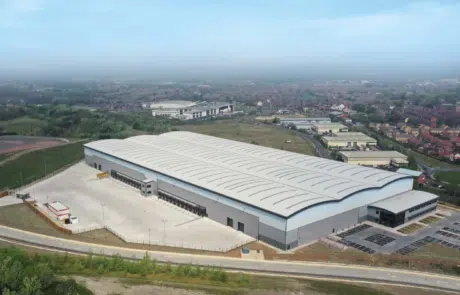
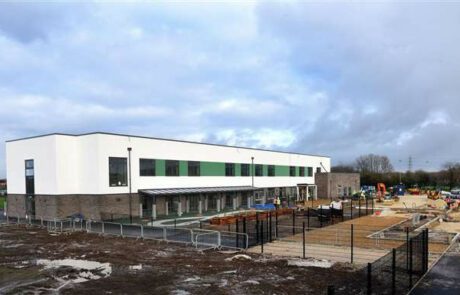
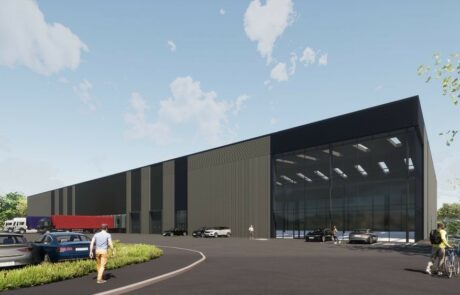
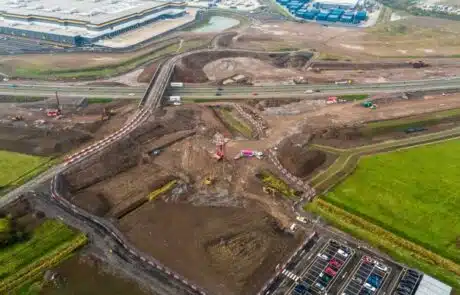
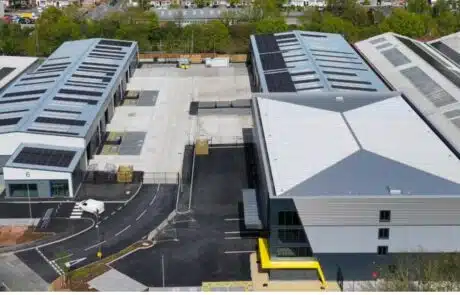
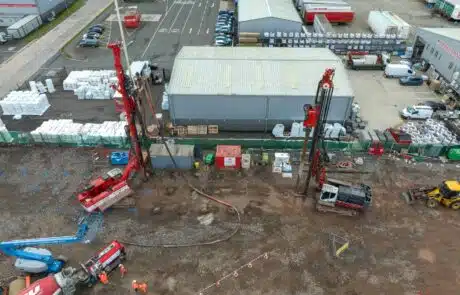
Following successful collaboration on a previous projects, Winvic Construction approached Menard to find a cost-effective foundation solution for the development of a warehouse facility intended to be used for a data centre at Prologis Park in Hemel Hempstead. The enabling works had brought the site to a plateau level, but without sufficient specifications to support the proposed loads from the 13,400 m² building (comprising several mezzanine levels), the 1,500 m² cooling tower area and the 1,400 m² generator area.
Ground Conditions
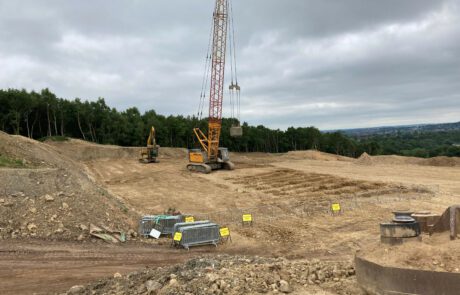
The site investigation showed a variable thickness of made ground underlain by clay and chalk. The made ground was actually an upfill that had been placed to bring the site to a plateau level for the development of a standard logistic building and comprised mainly clayey material of firm consistency (CPT cone resistance values between 1 and 1.5 MPa). The made ground thickness varied from around 1 m in the north of the site up to 6 m in the southern part, due to the sloping of the existing natural ground. Beneath the made ground, the natural soil consists of firm-stiff clay-with-flints and chalk bedrock.
Solution
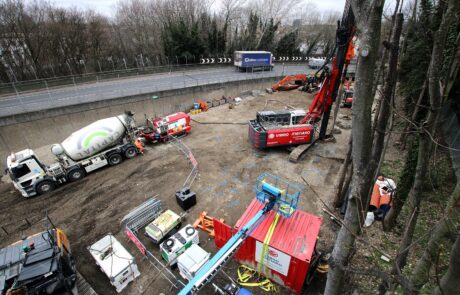
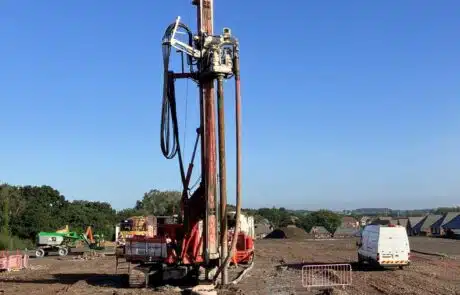
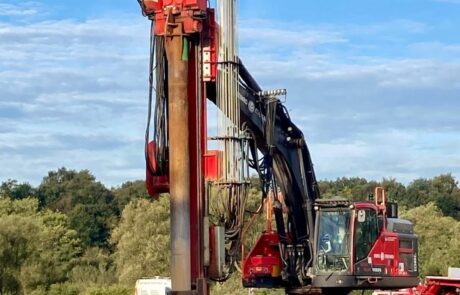
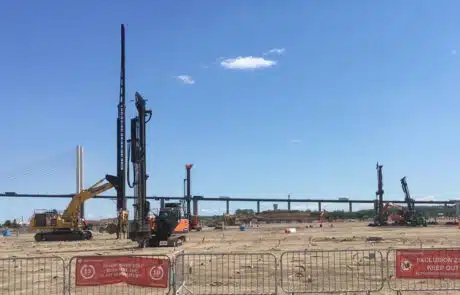
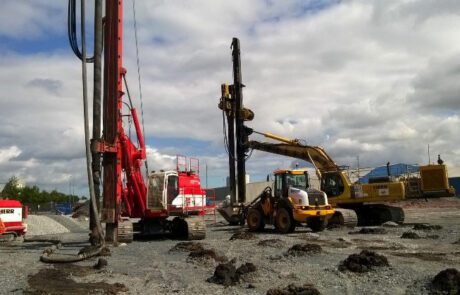
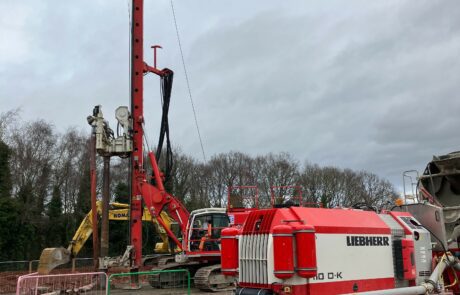
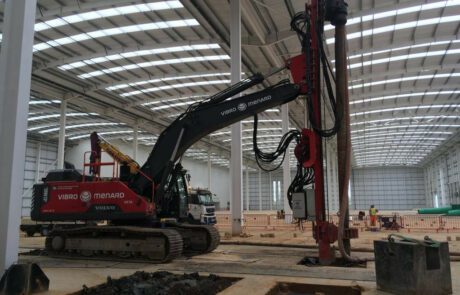
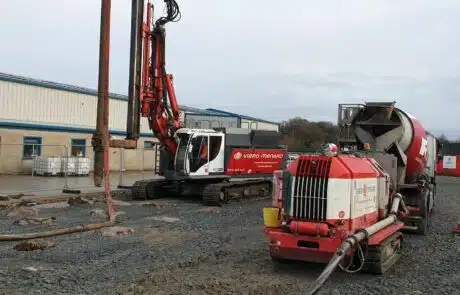
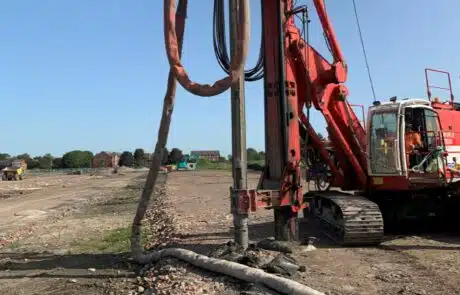
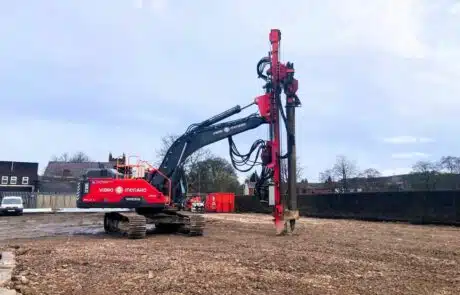
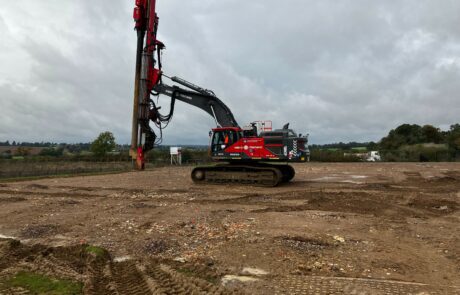
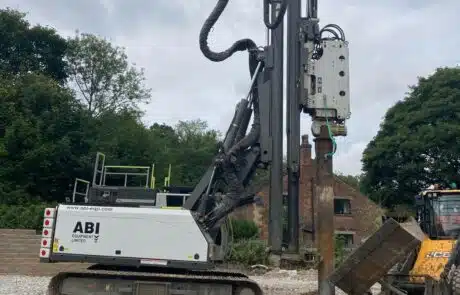
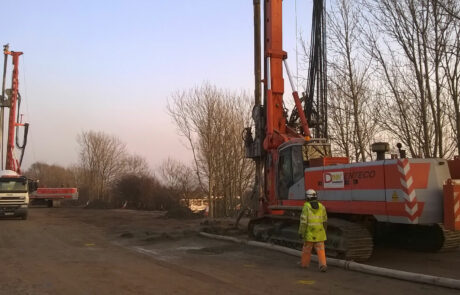
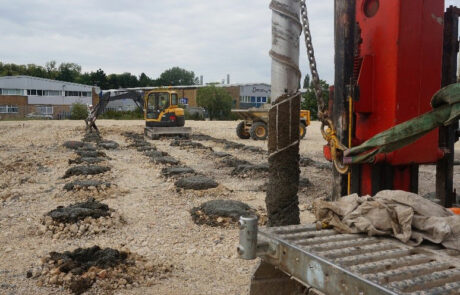
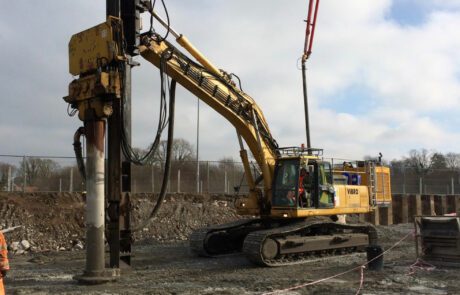
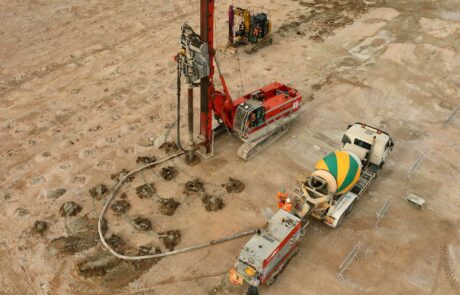
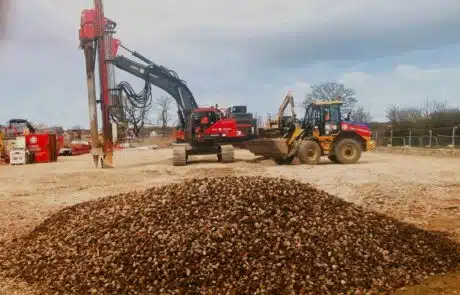
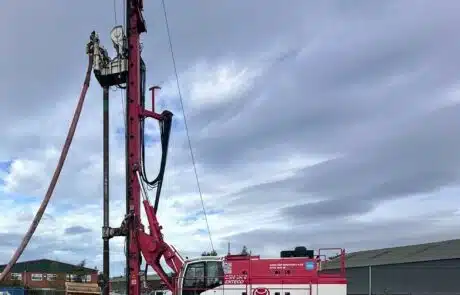
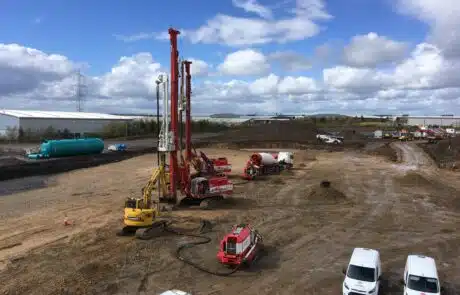
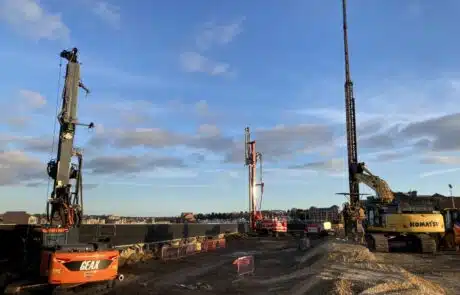
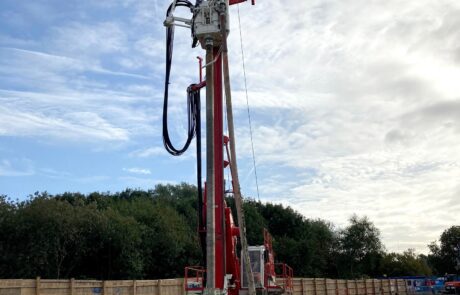
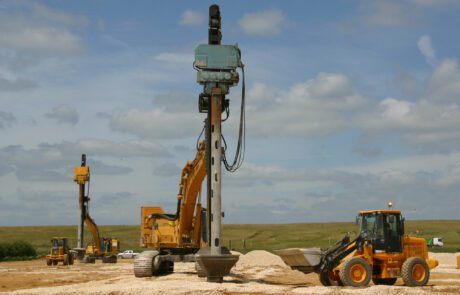
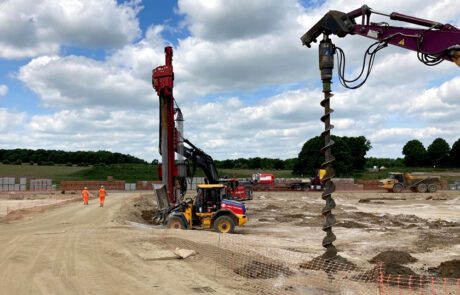
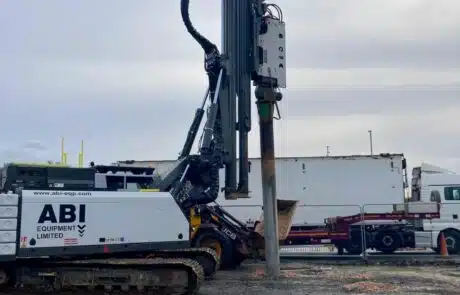
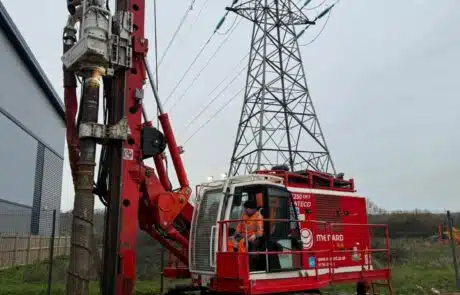
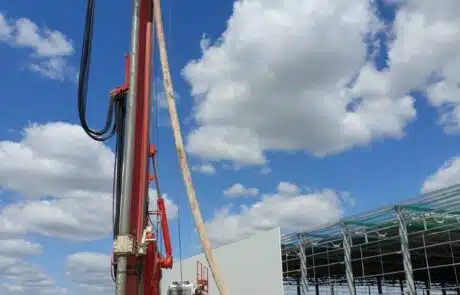
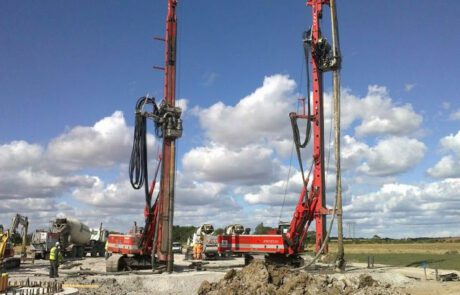
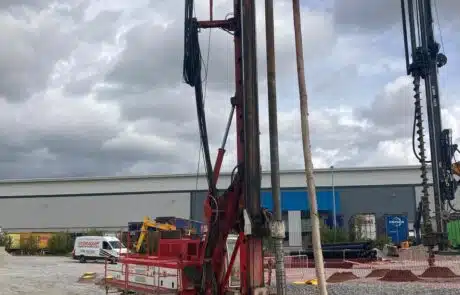
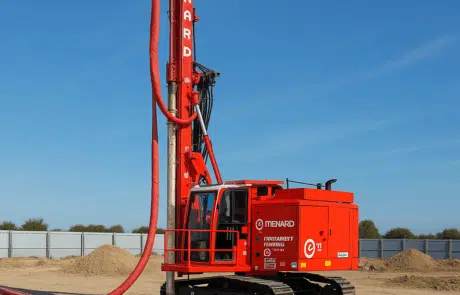
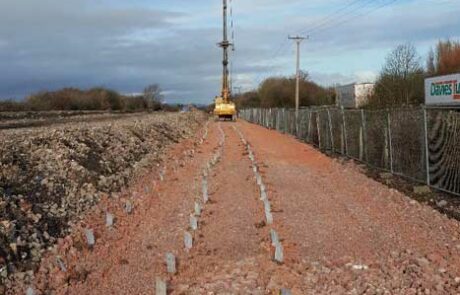
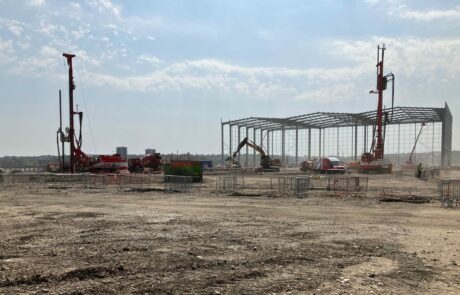
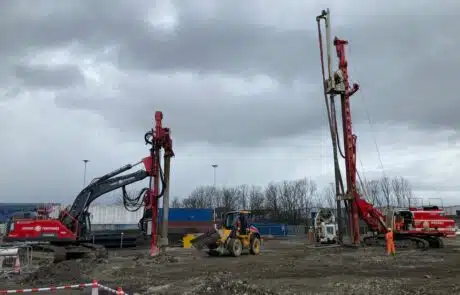
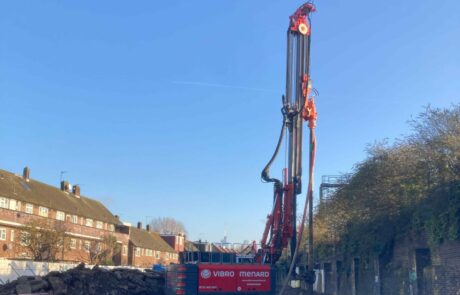
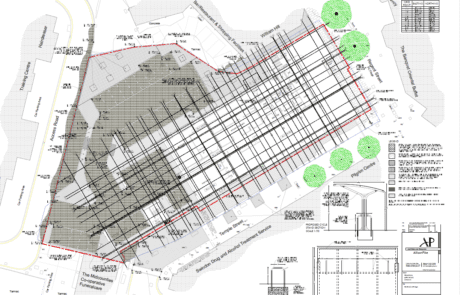
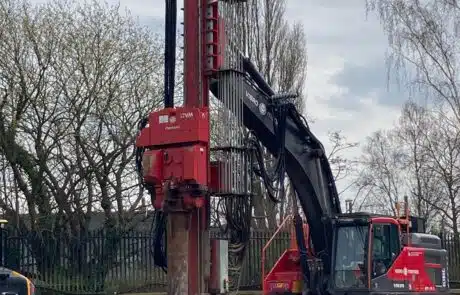
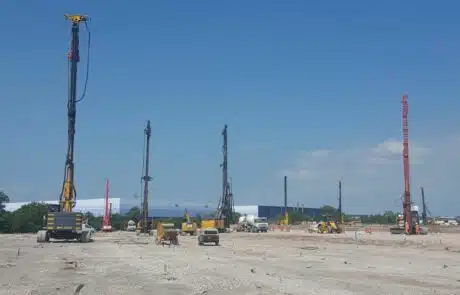
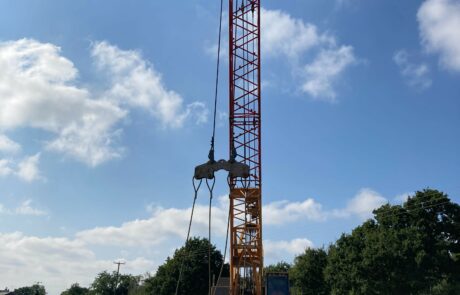
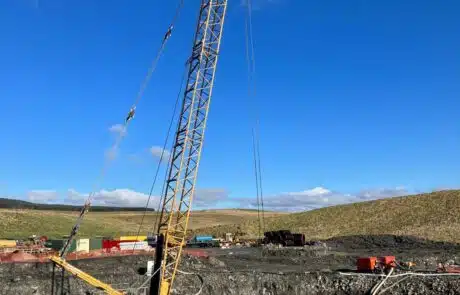
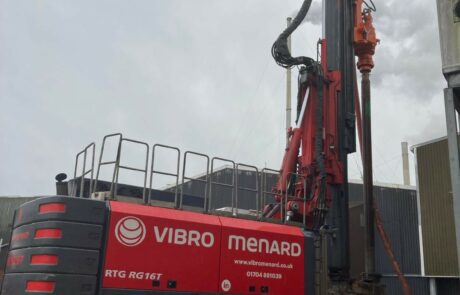
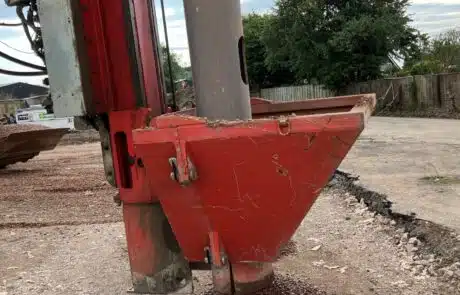
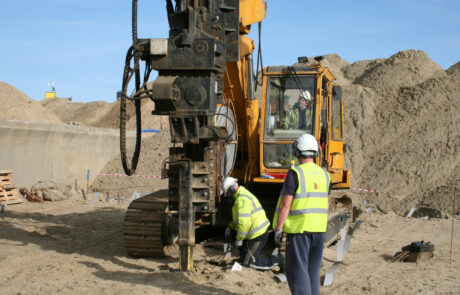
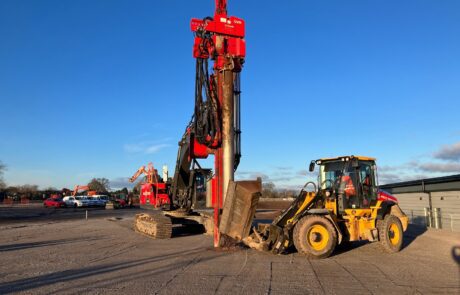
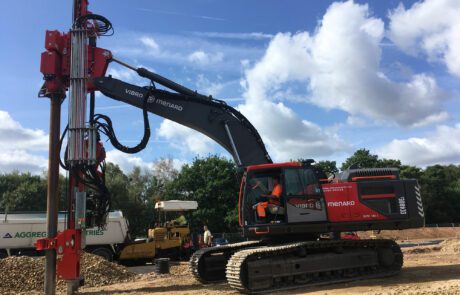
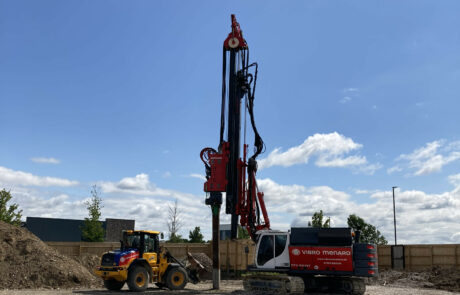
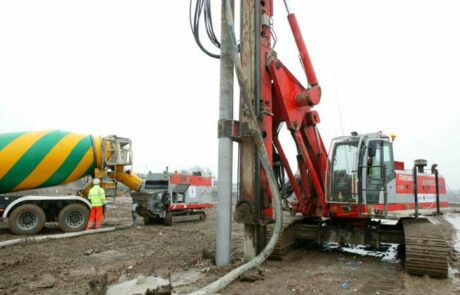
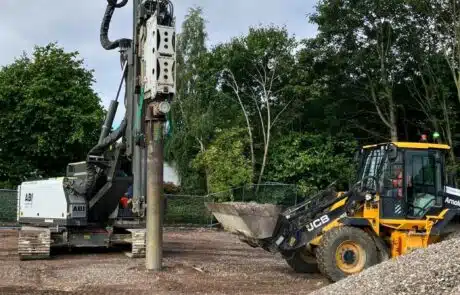
In order to enable the construction of regular shallow foundations, Menard offered a solution of Controlled Modulus Columns (CMC) rigid inclusions to support the pad footings of the building (SLS vertical loads of up to 7,700 kN), the generator slabs (50 kPa SLS load) and the cooling tower slabs (100 kPa SLS load). The installation of the CMC provided the sufficient bearing capacity for the structures whilst also reducing the settlements to values below the specified limits (25 mm total settlement, with relative differential settlements of 1/500 maximum). The final design comprised around 3,200 CMC of 300 mm diameter embedded into the natural clay or chalk. The works have been completed ahead of schedule in less than 6 weeks with up to 2 rigs working simultaneously. The extensive quality control measures included electronic records of the drilling/concreting parameters for each CMC, compressive strength tests on concrete as well as static plate load tests on isolated CMC.