OWNER:
Tungsten Properties
ENGINEER:
BCAL Consulting
GENERAL CONTRACTOR:
Winvic Construction Limited
MAIN FIGURES:
c.3,250 CMCs
Project Details
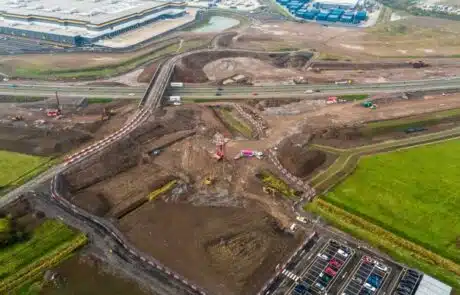
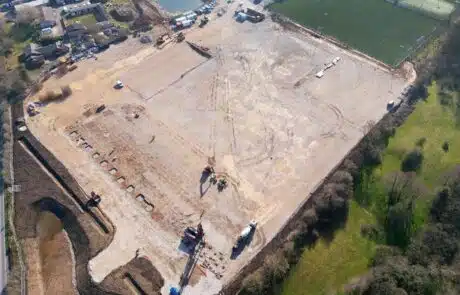
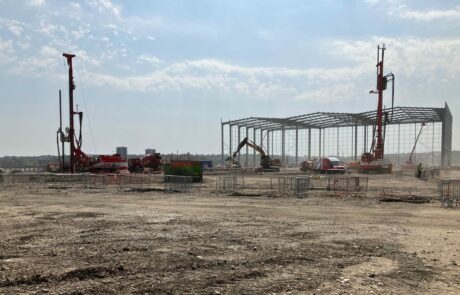
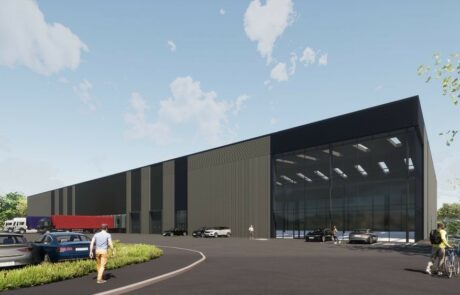
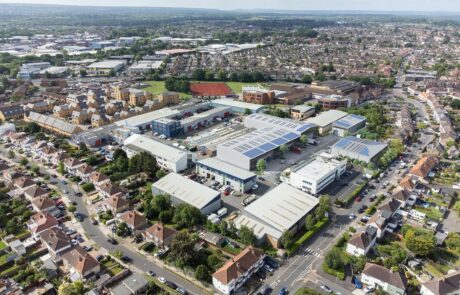
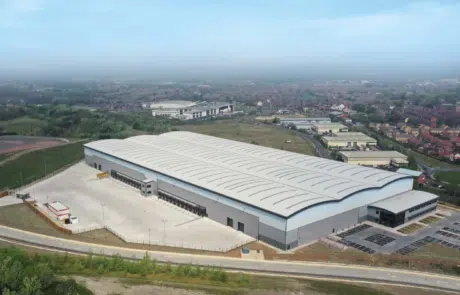
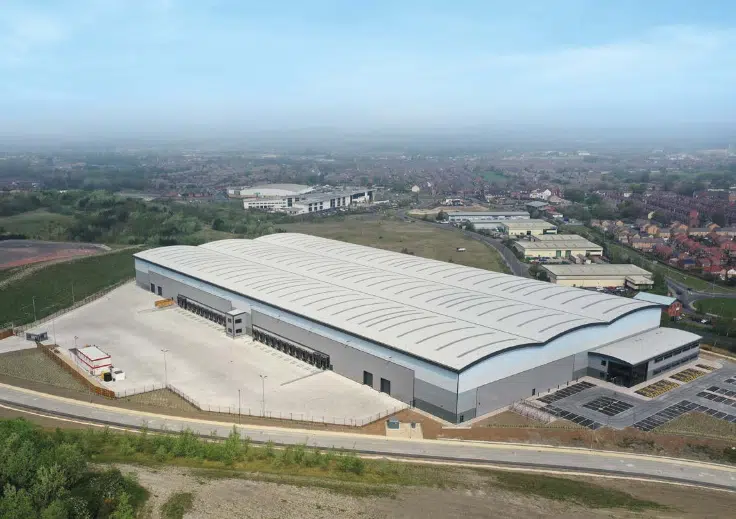
Winvic Construction approached Menard to find a cost-effective alternative foundation solution to the initial piling scheme for the speculative development of a warehouse facility (23,700 m²) located next to the M62 junction 32 in Glasshoughton, near Castleford. The building had to be designed to a FM2 specification to support a uniformly distributed load of 50 kPa, whilst the frame structure brought point loads of up to 1,020 kN SLS. The settlement criteria were specified to 25 mm of residual settlements, with relative differential settlements limited to 1/500.
Ground Conditions
The site was historically used as a colliery spoil tipping area for the former Glasshoughton Colliery until the 1980s. The initial site investigation confirmed the ground conditions as being made of soft to stiff colliery spoil (made ground) recovered as gravelly clay underlain by natural clay deposits and Pennine Middle Coal Measures. Further site investigation by Cone Penetration Tests (CPT) recommended by Menard allowed to map more precisely the variations of the made ground and its compressibility, to refine the ground improvement requirements.
Solution
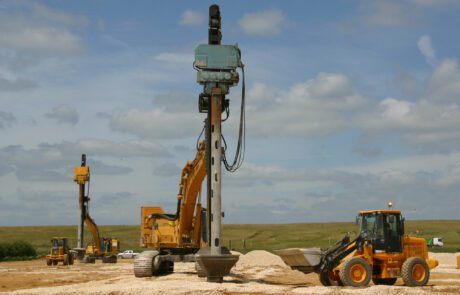
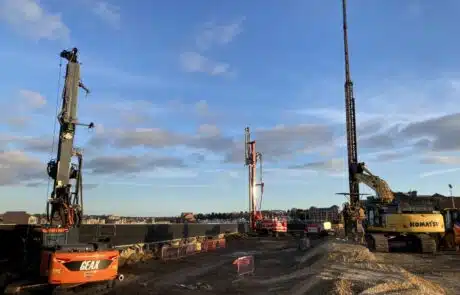
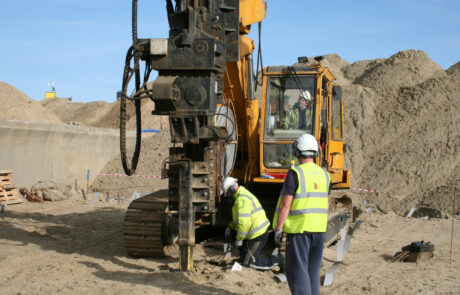
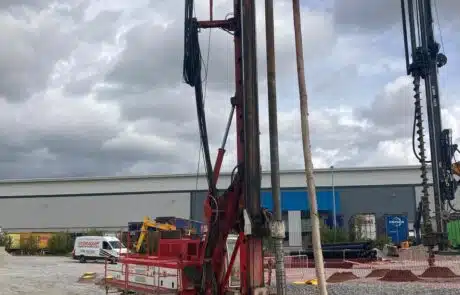
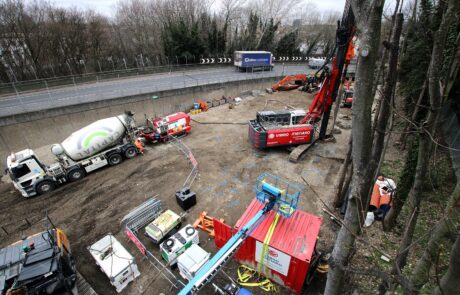
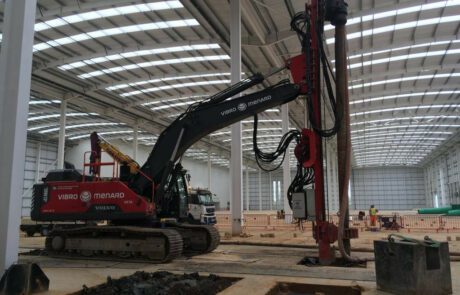
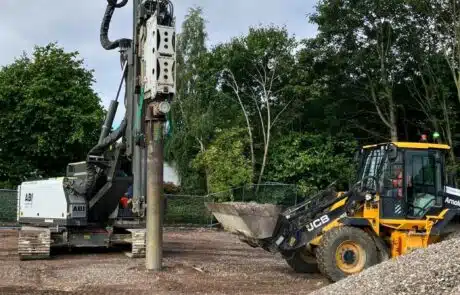
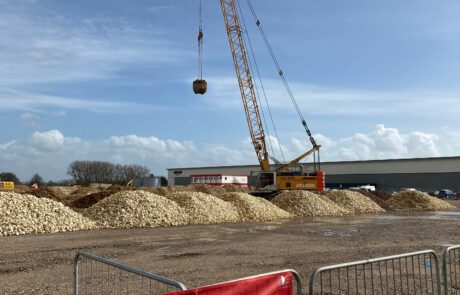
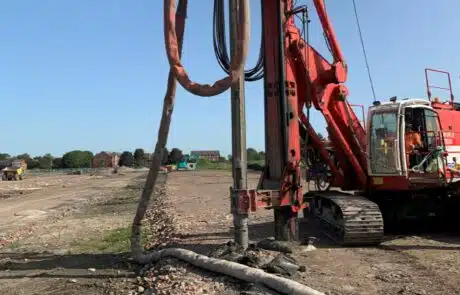
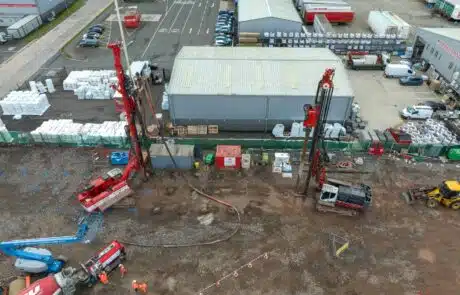
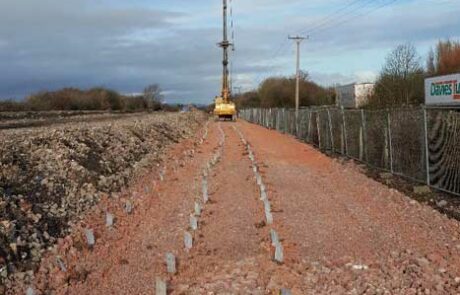
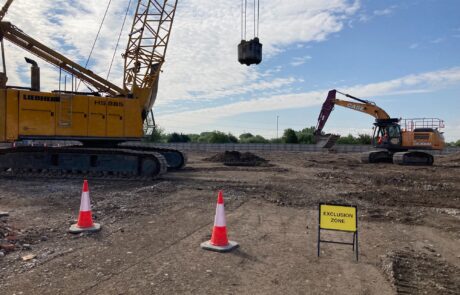
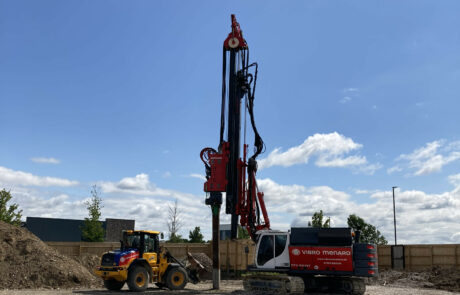
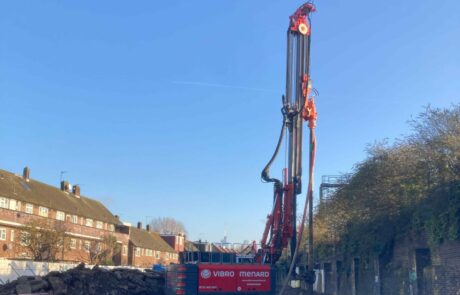
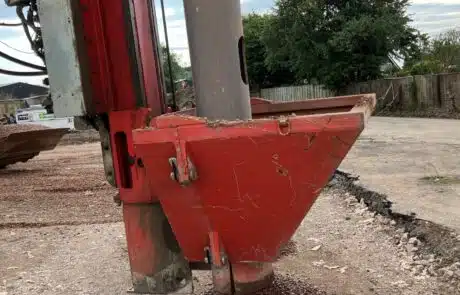
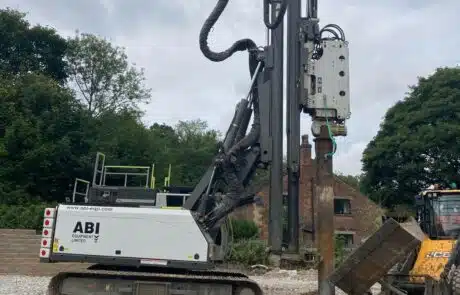
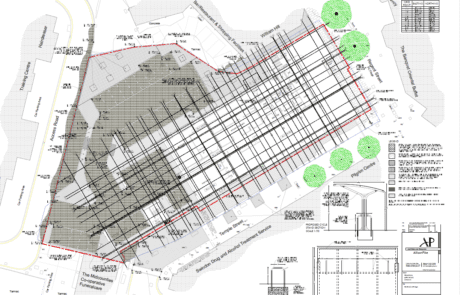
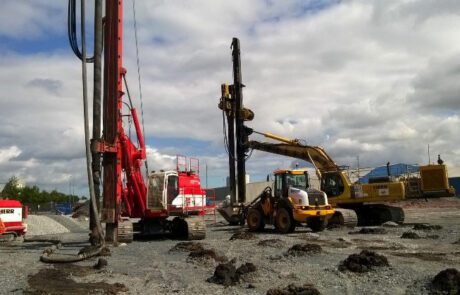
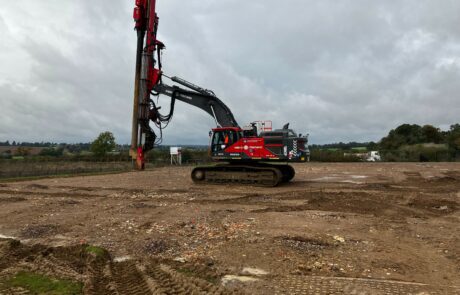
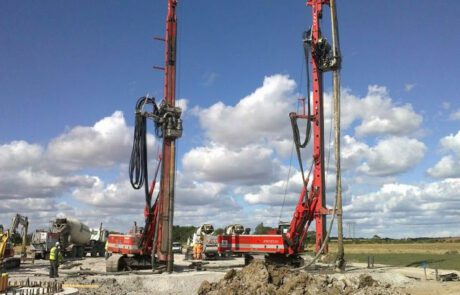
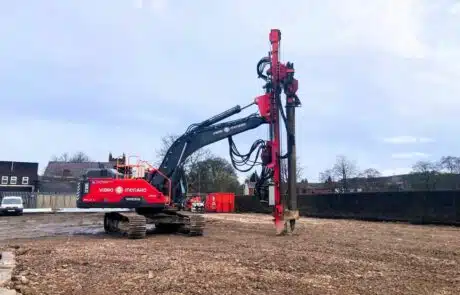
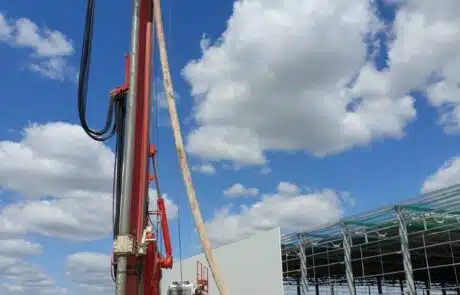
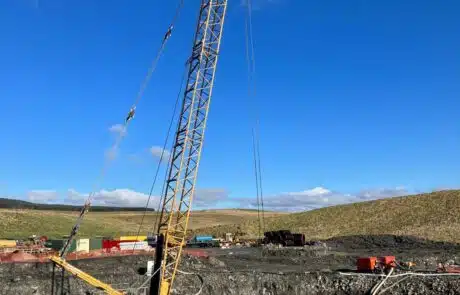
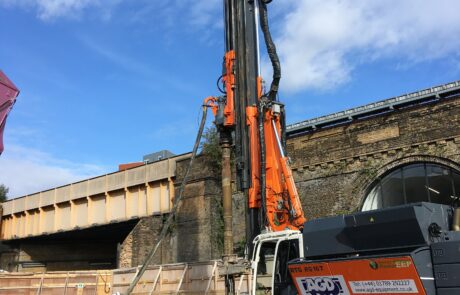
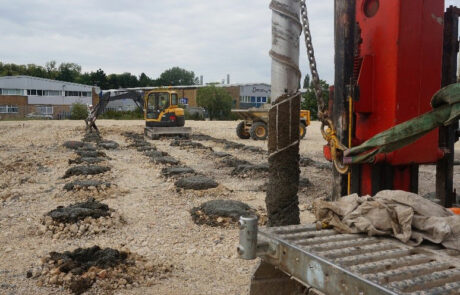
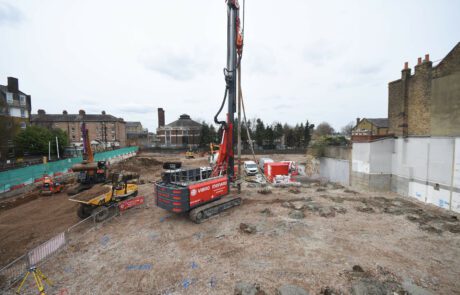
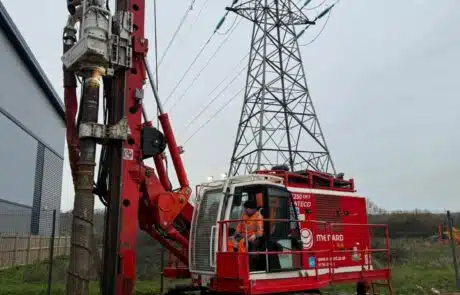
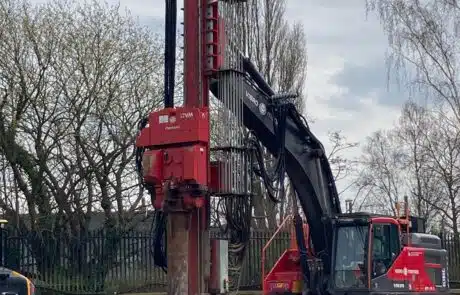
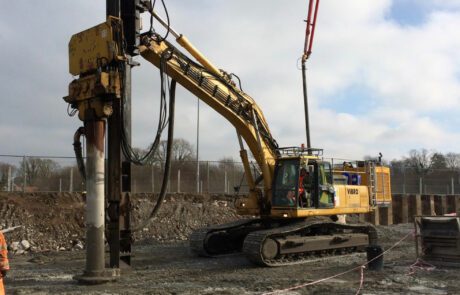
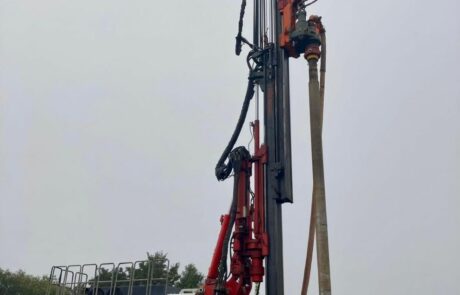
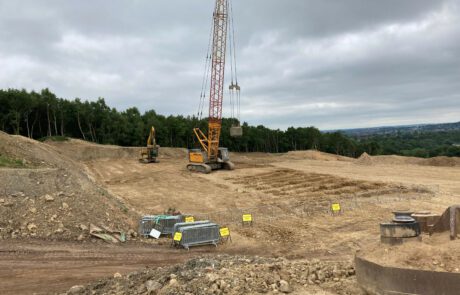
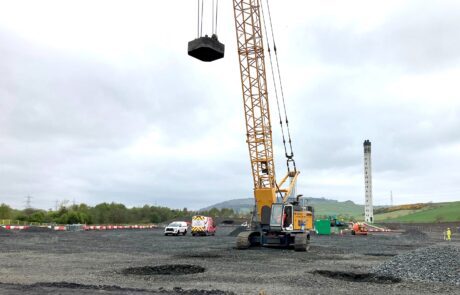
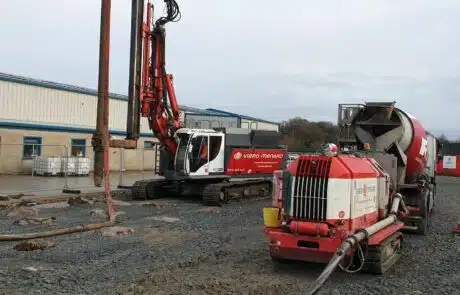
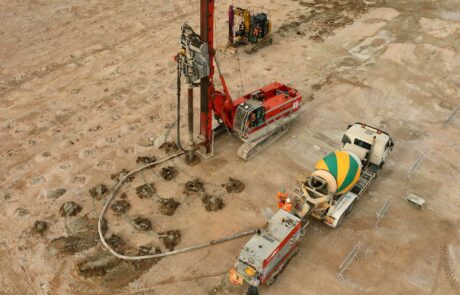
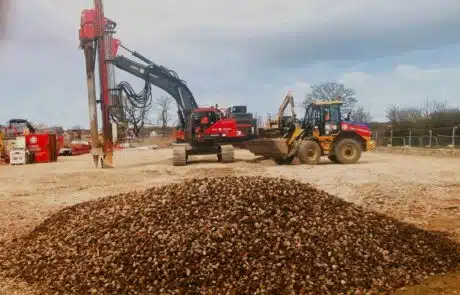
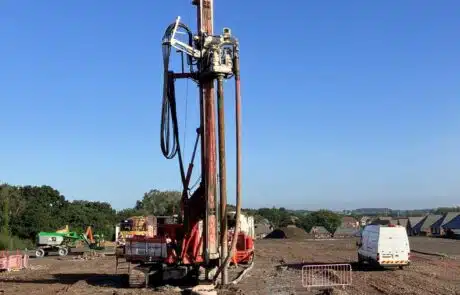
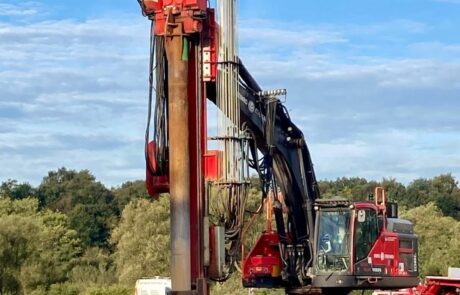
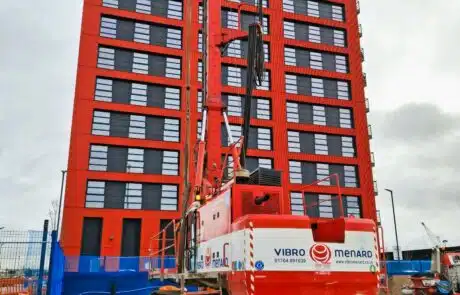
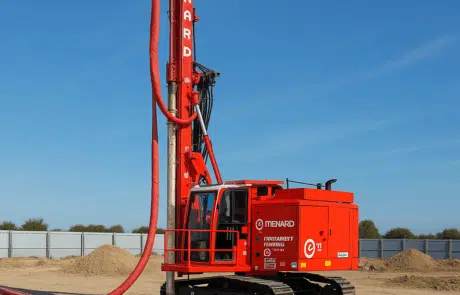
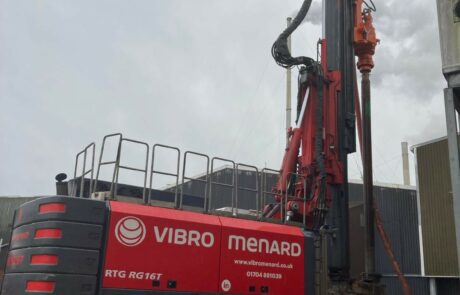
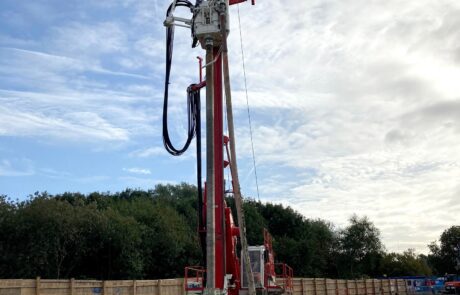
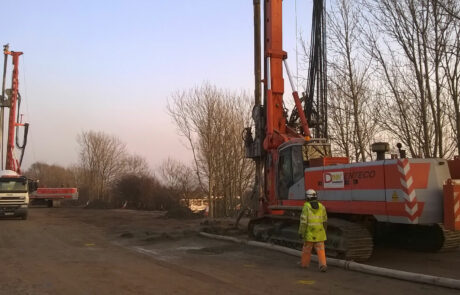
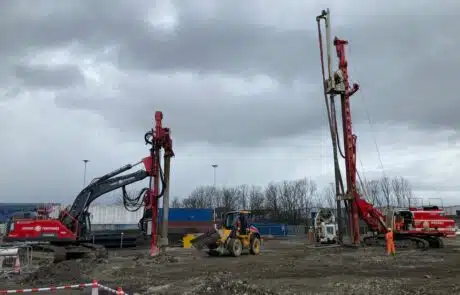
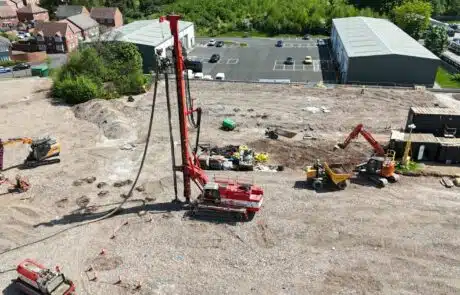
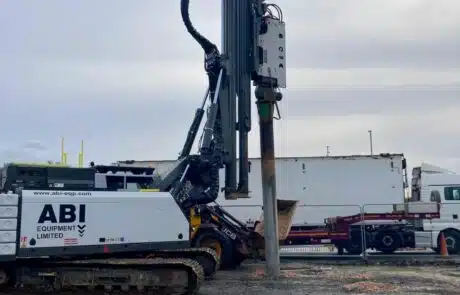
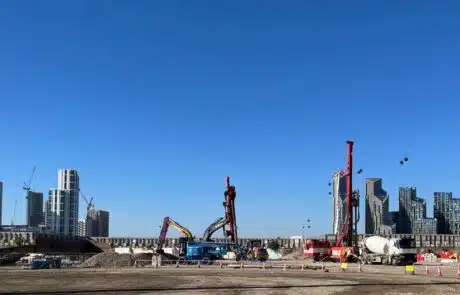
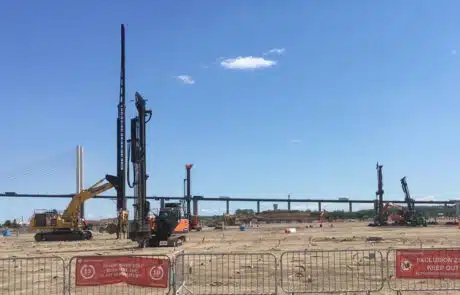
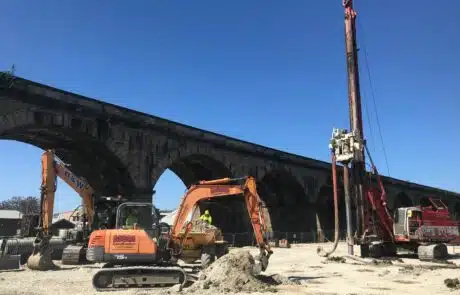
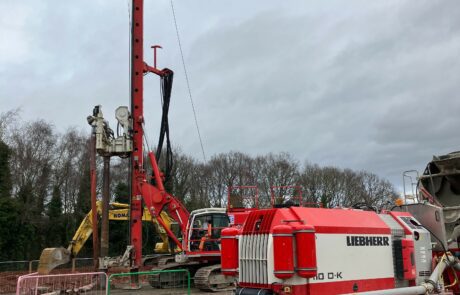
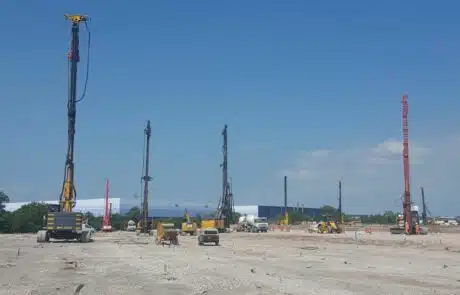
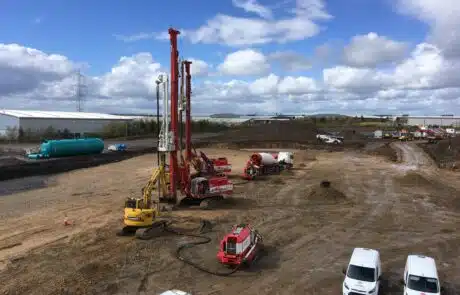
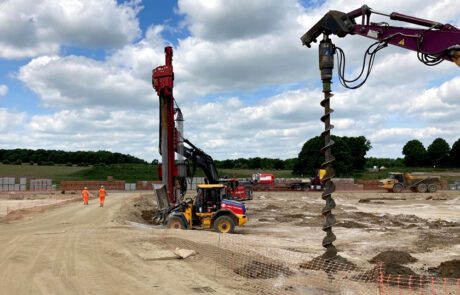
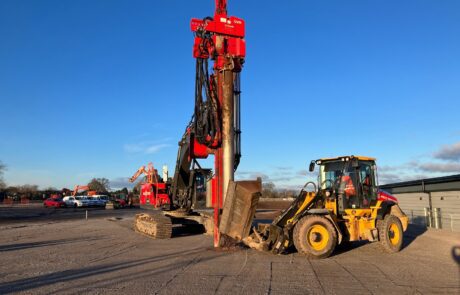
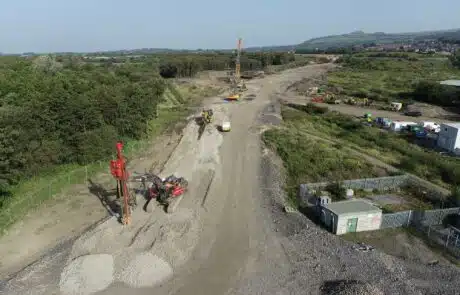
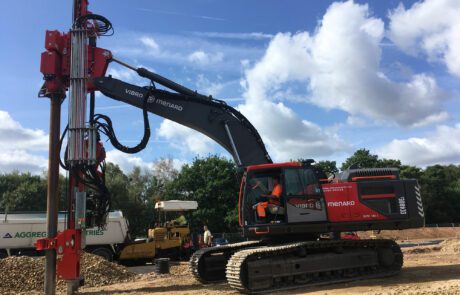
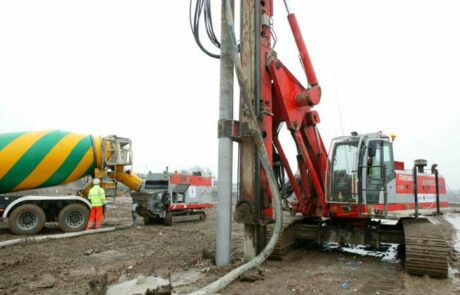
Menard offered to Winvic a bespoke solution of Controlled Modulus Columns (CMC) allowing the construction of regular ground bearing slabs and conventional pad footings. The CMC has been designed to reduce the settlements below the acceptable limits and enhance the allowable bearing capacity to 250 kPa beneath the footings. The final detailed design comprised c.3,250 CMC taken down to the stiff bands of made ground, with CMC depth about 3 to 12 m depending on the variations of the embedment layer. Due to the aggressiveness of the ground conditions (ACEC class AC-5), the concrete used for the CMC was specified to a DC-4 with an additional protective measure (APM) consisting in an increased cement content. The CMC works have been completed on time in 9 weeks, with up to 3 CMC rigs working simultaneously on site in order to meet the stringent programme requirements from the Main Contractor. The works have been verified through a thorough quality control, comprising plate load tests on isolated CMC, compressive strength tests on concrete samples and drilling/concreting logs from the rig computers.