OWNER:
Bericote Properties
ENGINEER:
Pinnacle Consulting
GENERAL CONTRACTOR:
ISG
MAIN FIGURES:
c.7,600 CMC, 6,000 PVDs, 3,000 m2 of DC
Project Details
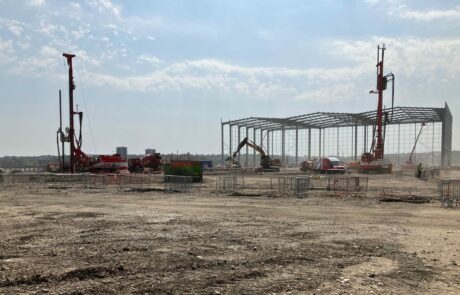
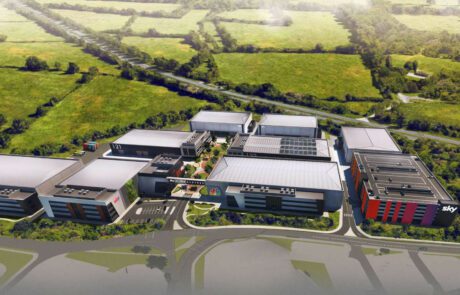
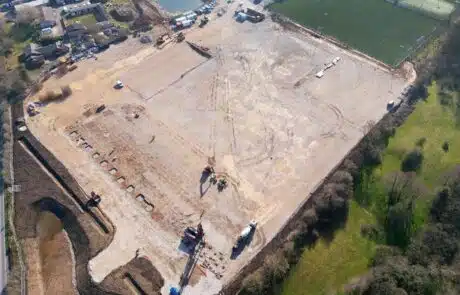
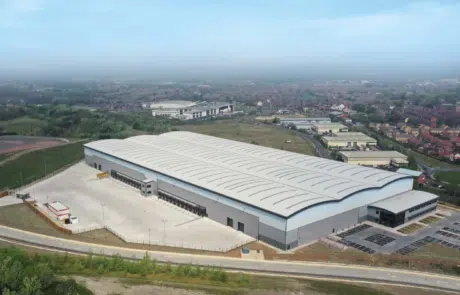
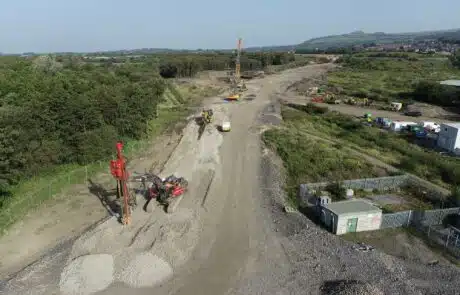
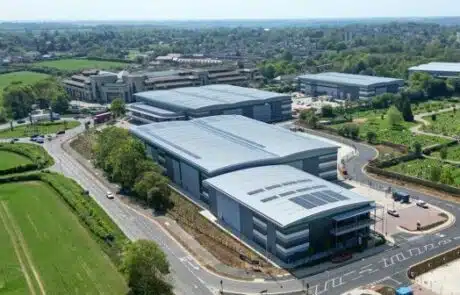
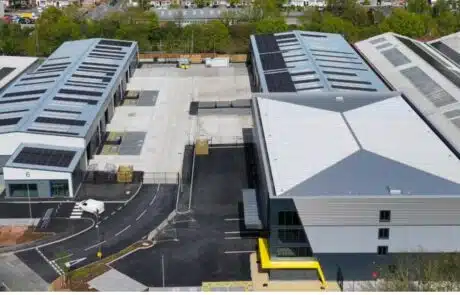
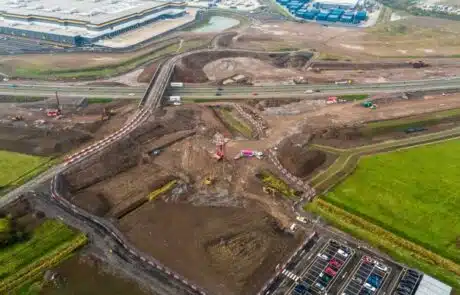
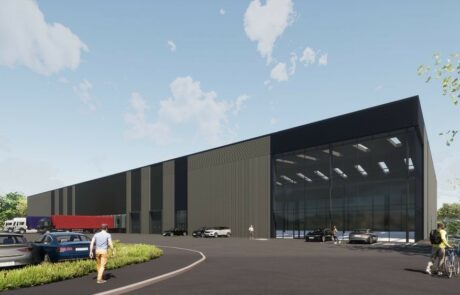
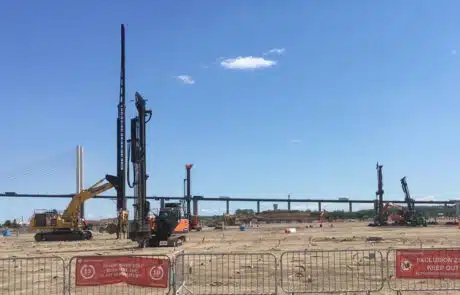
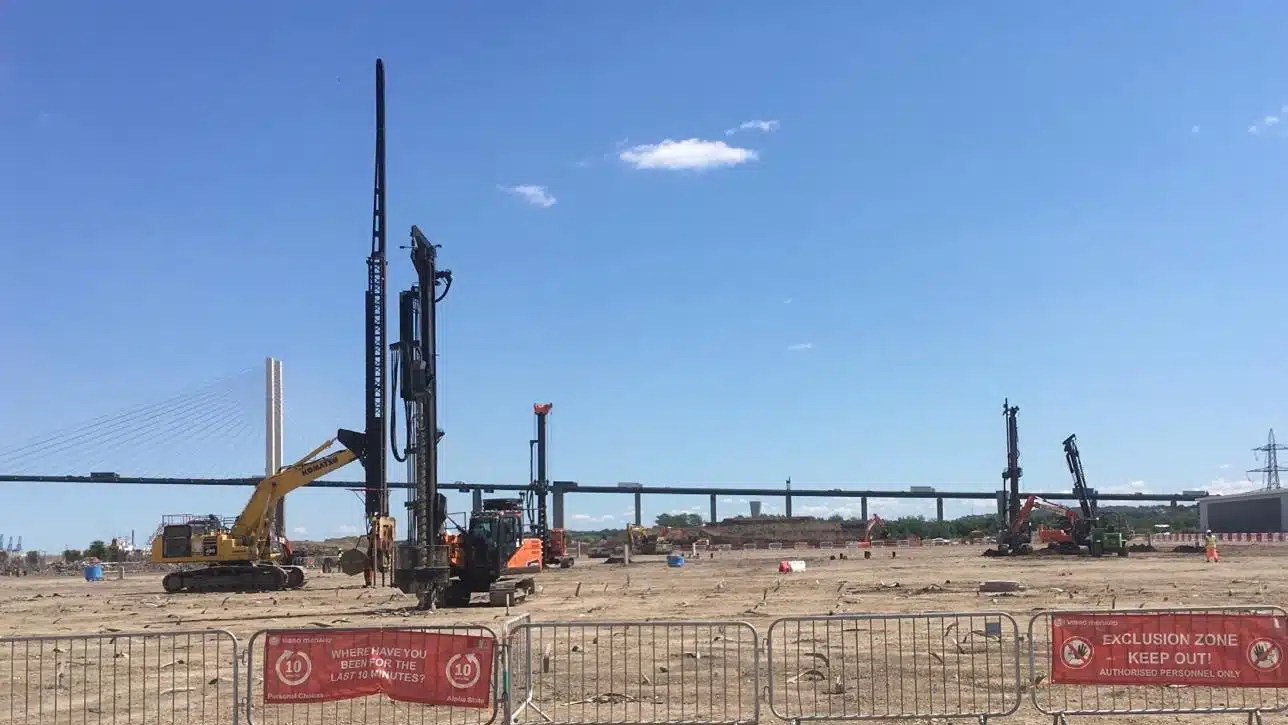
Following successful collaboration on a previous similar scheme, ISG approached Menard to find a cost-effective foundation solution for the development of a major online retailer’s four-storey mega shed in Dartford, London, as an alternative to the pile option. The warehouse, with a ground floor footprint of more than 55,000 m², will stand on the site of the old Littlebrook Power Station. Littlebrook Power Station was a series of four oil and coal-fired power stations situated on the south bank of the River Thames, next to the Queen Elizabeth 2 Bridge and the Dartford Tunnel in Dartford, Kent. The final power station, Littlebrook D, ceased operating in March 2015, and has now been demolished.
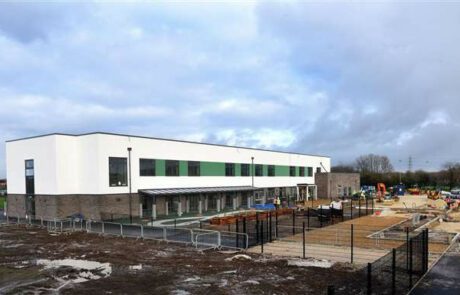
The slab had to be designed to support a uniformly distributed load of 50 kPa for the warehouse area and a uniformly distributed load of 10 kPa for the office areas.
Ground Conditions
The site investigation revealed relatively homogeneous ground conditions, with up to 7 m of variable made ground associated with the old power station, underlain by alluvium comprising very soft clay with peat lenses down to around 15 to 20 mbgl (CPT cone resistance of about 0.3 to 0.7 MPa) above medium dense to dense Taplow Gravels and chalk. The flood risk assessment required the site levels to be raised, with up to 2 m of fill placed prior to ground improvement. Parts of the site were also covered by existing piled basements from the old power station that had not been removed. Some of these basements had been subsequently backfilled with compacted granular material, whilst others were not backfilled to any engineering specification. Other existing piled structures (tank bases, culverts) had also been kept in the ground.
Solution
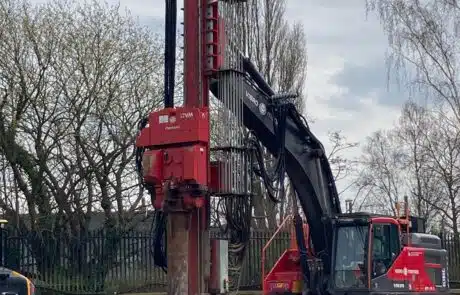
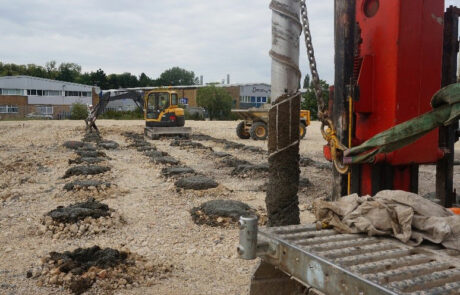
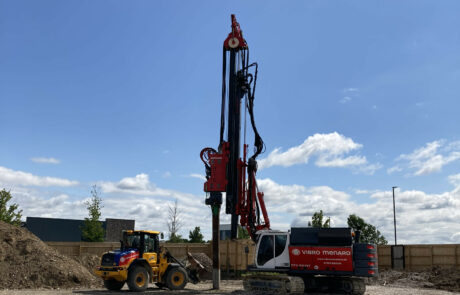
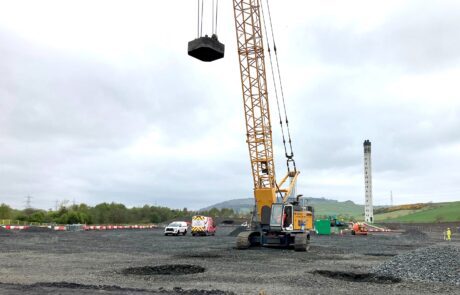
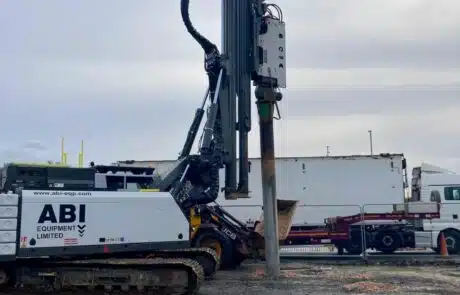
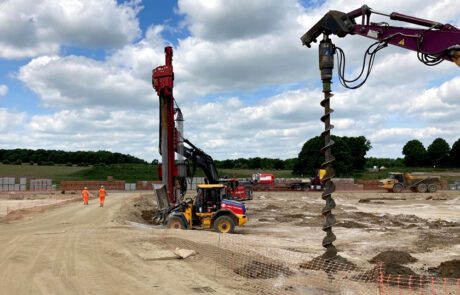
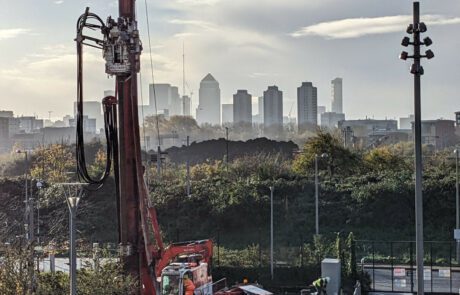
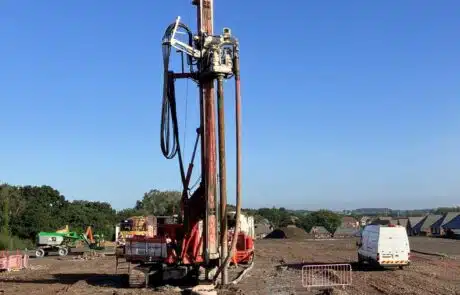
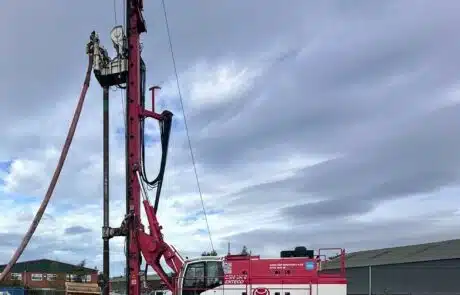
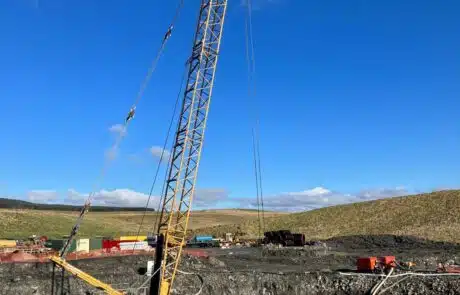
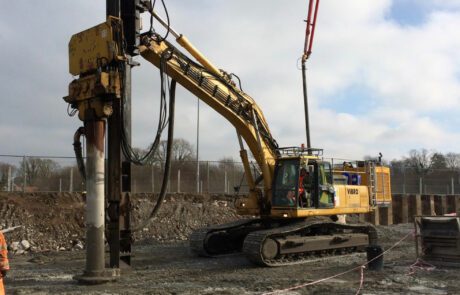
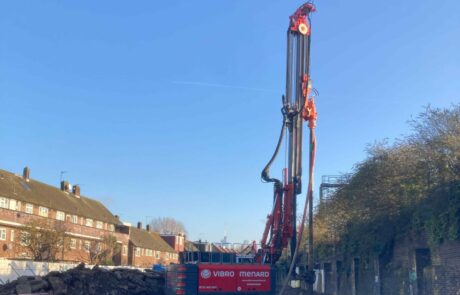
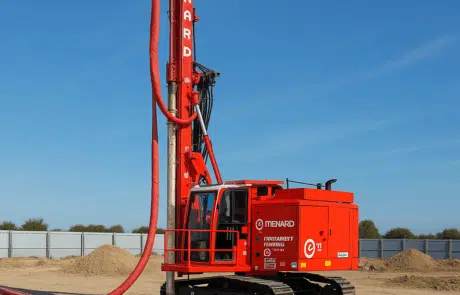
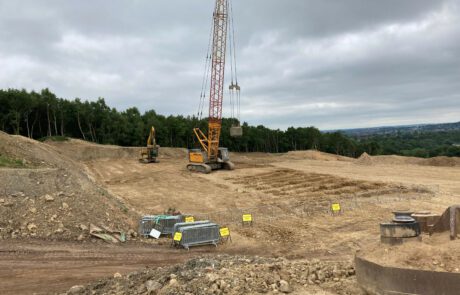
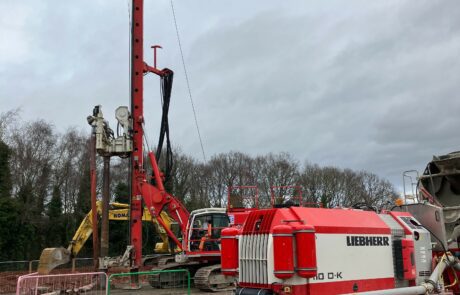
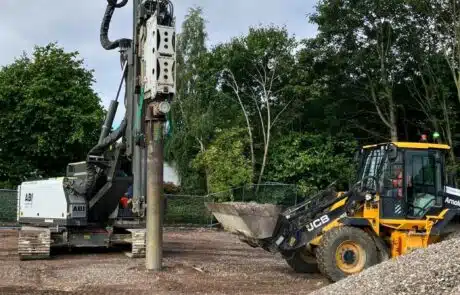
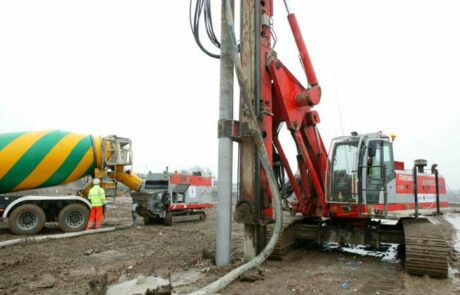
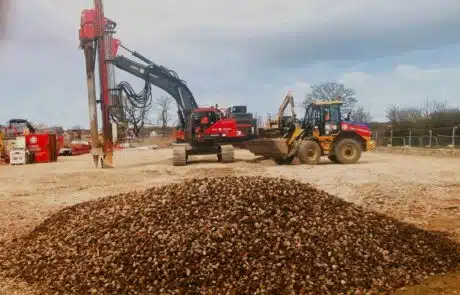
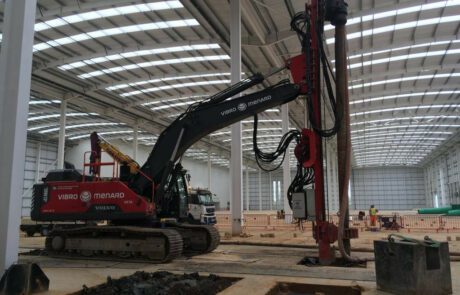
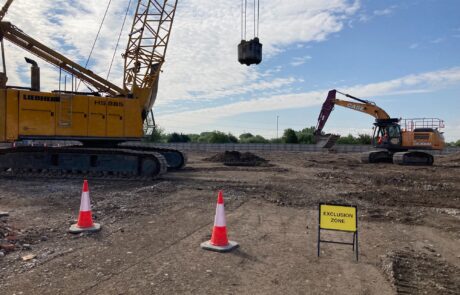
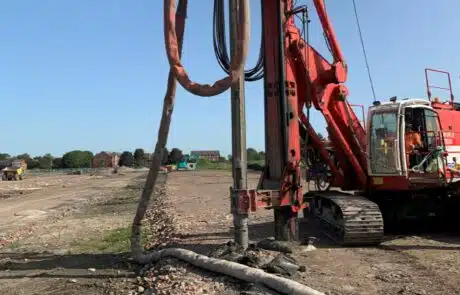
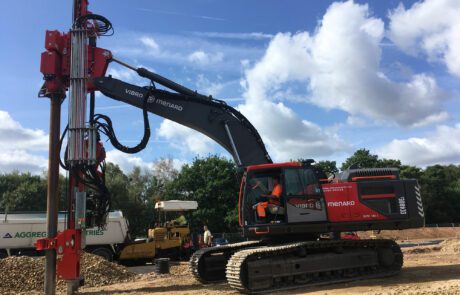
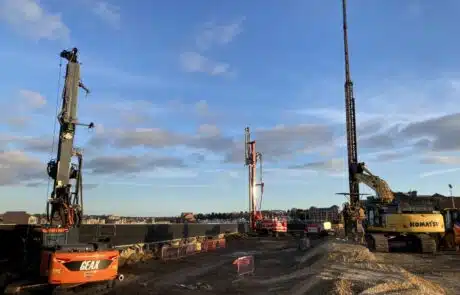
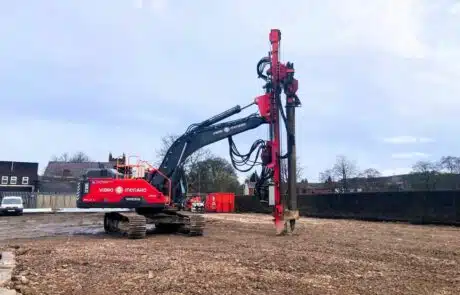
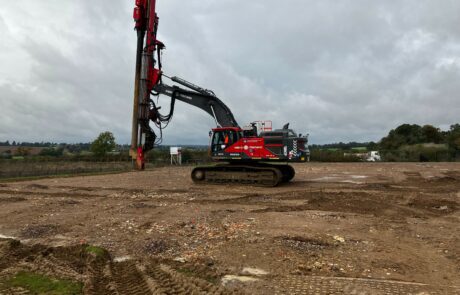
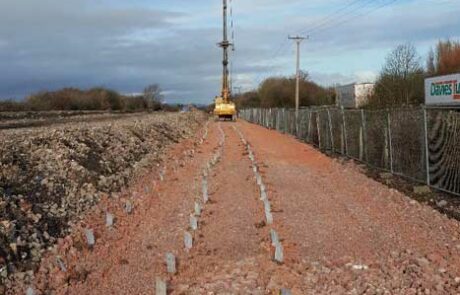
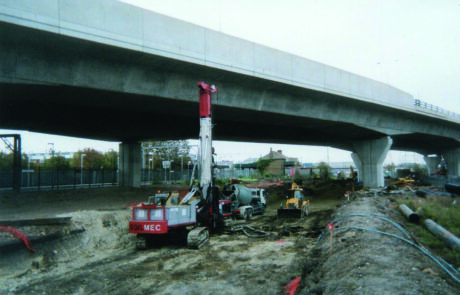
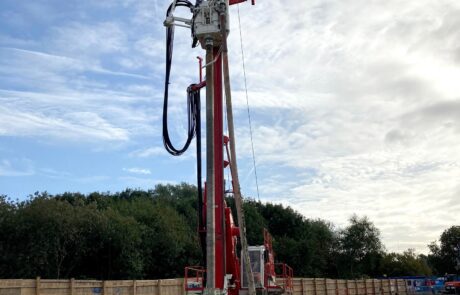
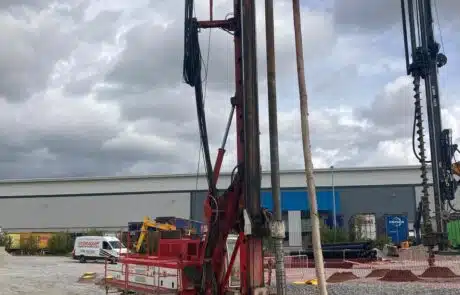
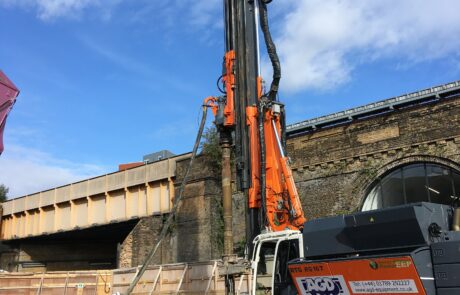
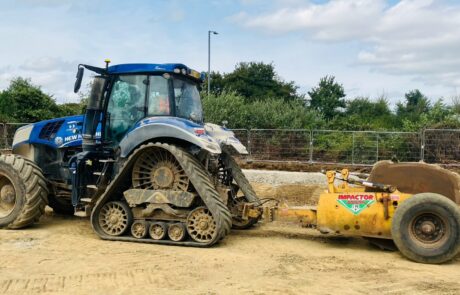
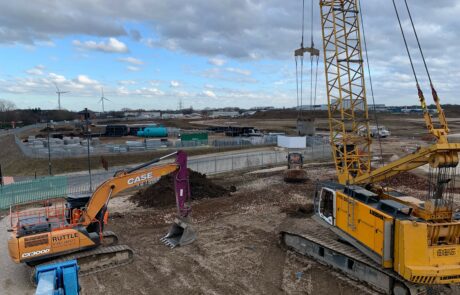
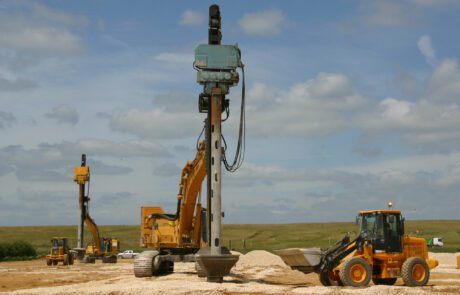
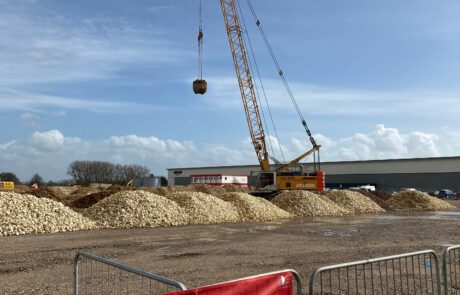
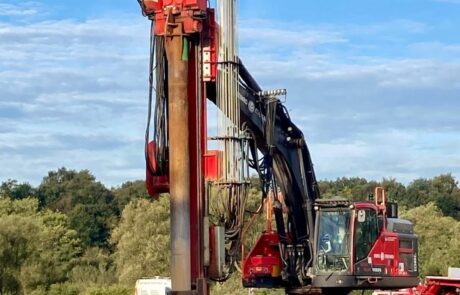
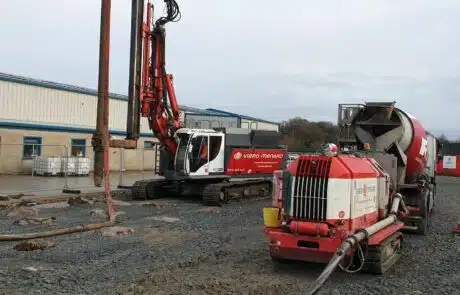
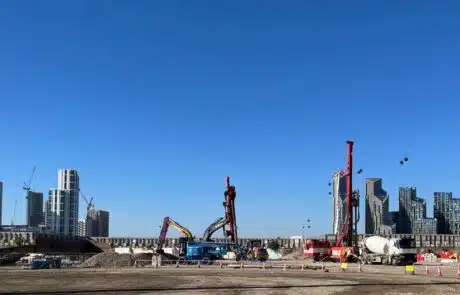
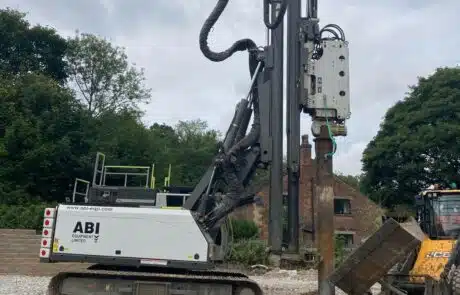
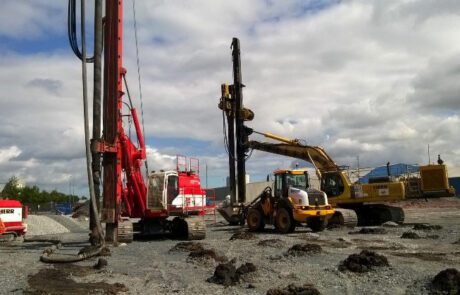
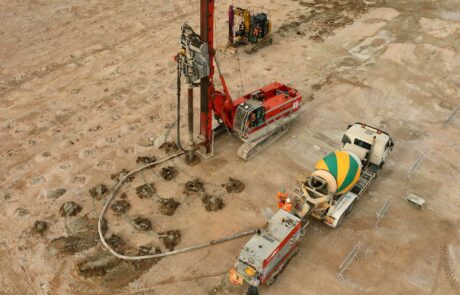
To mitigate the settlements on the main part of the building, Menard offered to ISG a solution of Controlled Modulus Columns (CMC) allowing the construction of regular ground bearing slabs for both the warehouse and the external yards. Due to the presence of a recently placed fill, CMC were combined with Prefabricated Vertical Drains (PVD) designed to make the consolidation of the soft soils under the weight of this upfill to happen during the construction period. For the existing basement that had been backfilled with uncontrolled material, Menard carried out Dynamic Compaction (DC) to increase the relative density and stiffness of this backfill, allowing the construction of regular shallow foundations (ground bearing slabs and pad footings).
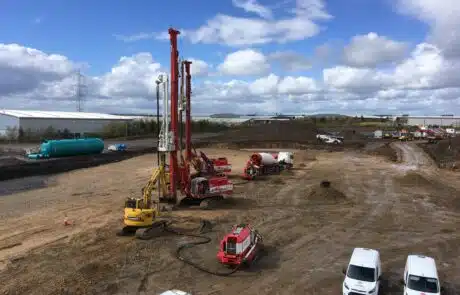
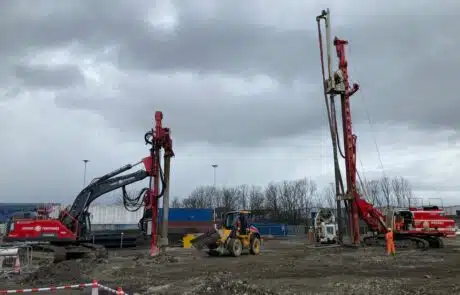
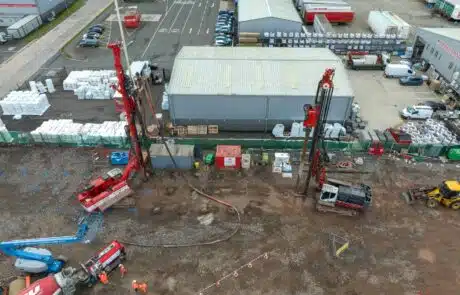
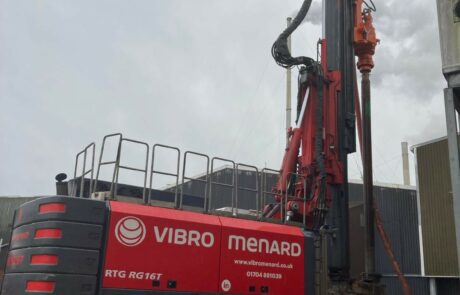
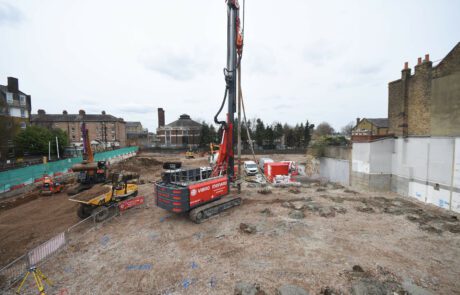
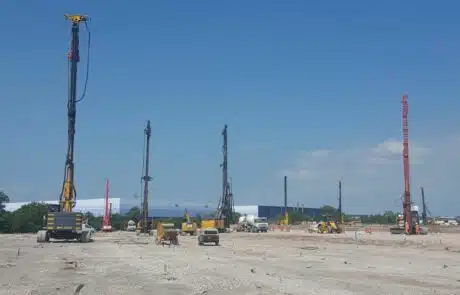
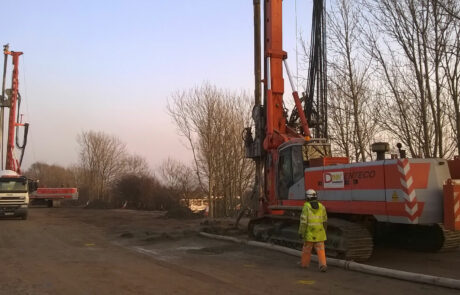
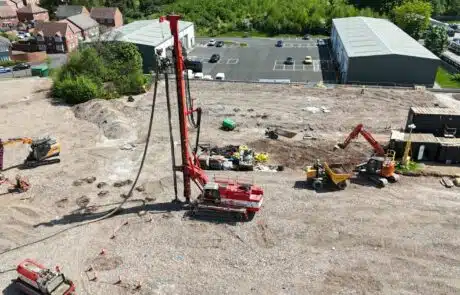
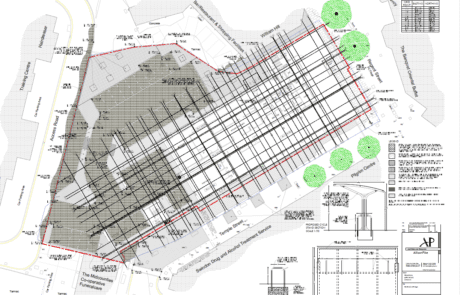
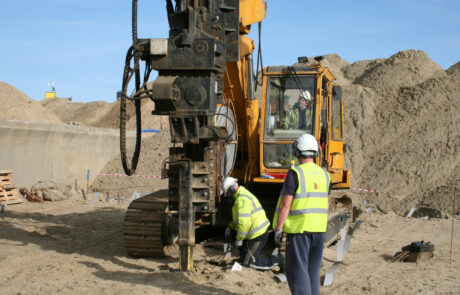
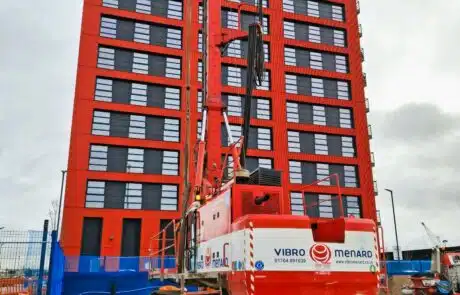
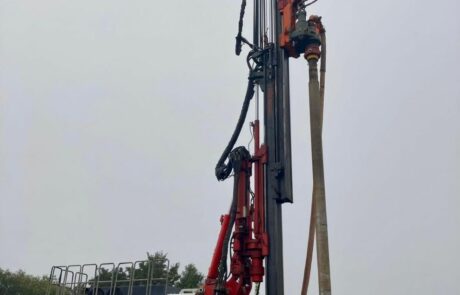
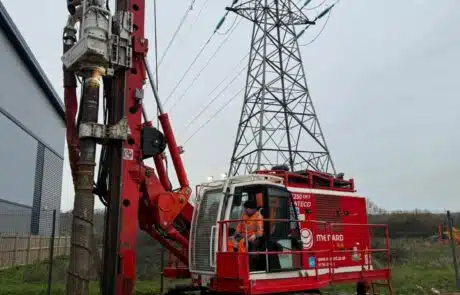
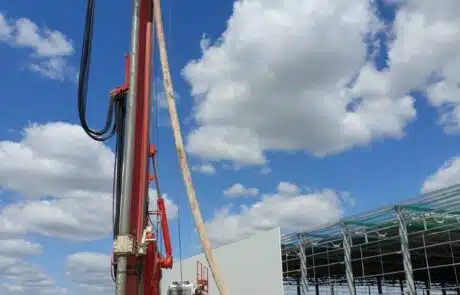
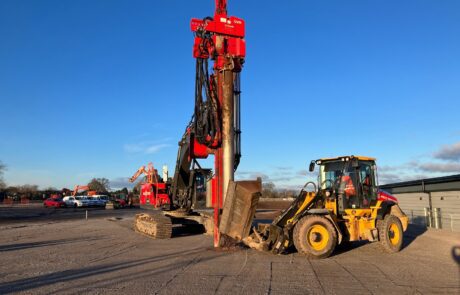
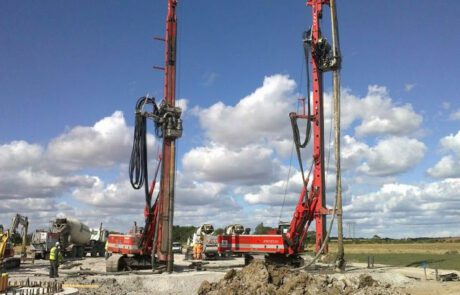
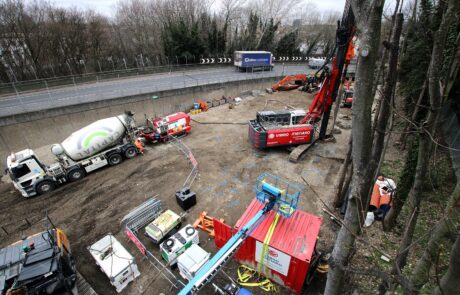
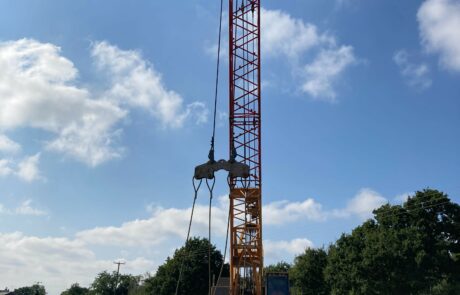
This tailor-made ground improvement solution combining three techniques was designed to reduce the residual settlements under the exploitation loads to 25 mm with relative differential settlements limited to 1/500. The final detailed arrangement comprised more than 7,600 CMC of diameter 300 mm embedded into the Taplow Gravels (CMC depth up to 20.5 m deep), more than 6,000 PVD and around 3,000 m² of DC. In order to meet the stringent programme requirements from the Main Contractor and the Client, the ground improvement works have been completed with up to 4 CMC rigs working simultaneously on site, in parallel with up to 5 pre-drilling rigs required to penetrate the stiff made ground, 2 PVD rigs and 1 DC crane. The works have been verified through a thorough quality control, comprising plate load tests on isolated CMC, compressive strength tests on concrete samples, drilling/concreting logs from the rig computer and zone load tests in the DC area.