OWNER:
Rochdale Spring Company Holdings Limited
ENGINEER:
Tier Consulting Group
GENERAL CONTRACTOR:
Willmott Dixon Construction Ltd
MAIN FIGURES:
c.900 CMCs

Project Details
Initially, Tier Consulting Group approached Menard to develop a cost effective foundation solution for the proposed townhouse development in Rochdale. The site has a complex history, having been predominantly occupied by canal basins with associated wharfs, warehouses, and residential properties. These canals were progressively infilled between the 1950s and 1970s, after which the land was used for depot and timber yard activities, before being redeveloped in the 1980s as the Central Retail Park.
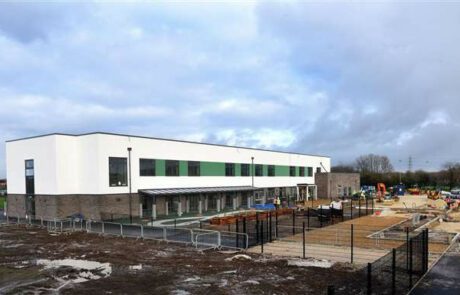
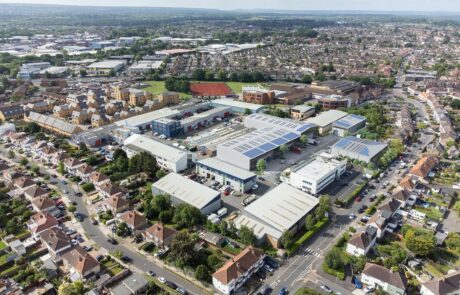
As part of Rochdale’s wider regeneration programme, the proposed development comprises two, three and four bedroom homes, delivered across a mix of tenures including social and affordable housing. The scheme will also deliver the first net zero homes supported by the council, marking a significant milestone in sustainable residential development for the area.
Ground Conditions
The site was underlain by extensive Made Ground across its full extent, typically 1.5-3.0 m thick and up to 6.0 m locally, containing demolition materials, obstructions, and contamination. Beneath this, alluvium and glaciofluvial deposits comprised variable loose sands, silts, and clays, with localised peat and organic rich layers that were highly compressible and unsuitable for founding. These deposits overlaid firm to very stiff glacial till at depth.
Solution
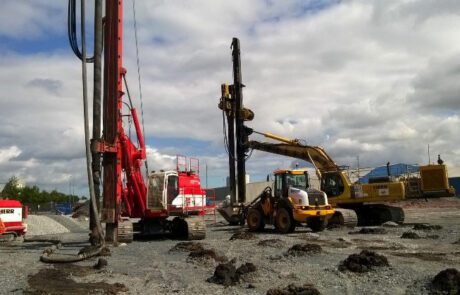
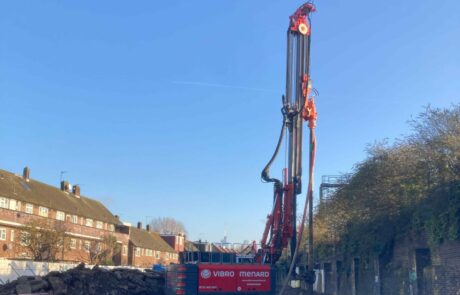
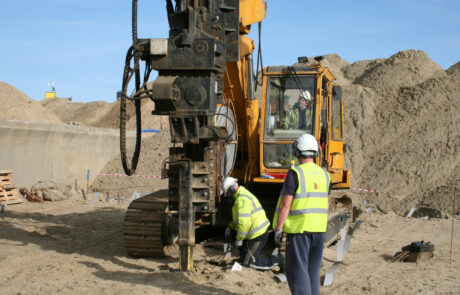
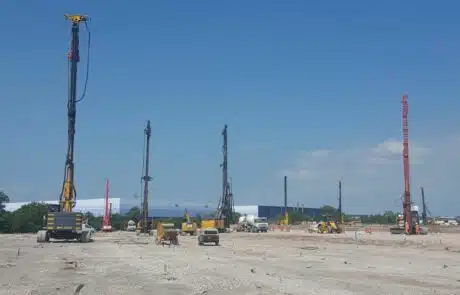
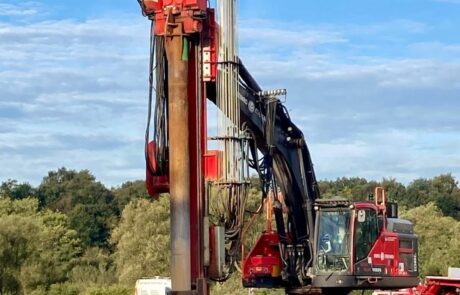
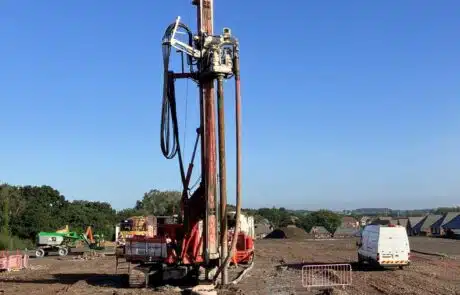
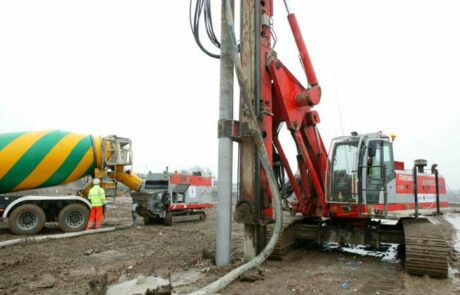
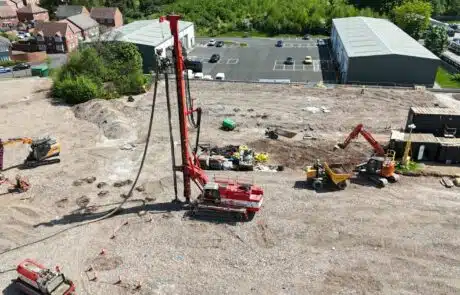
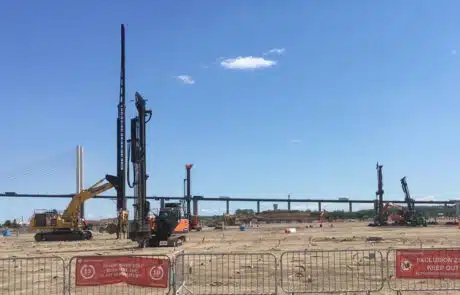
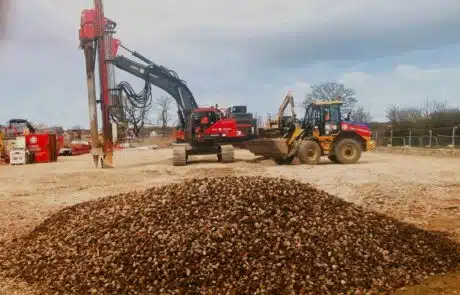
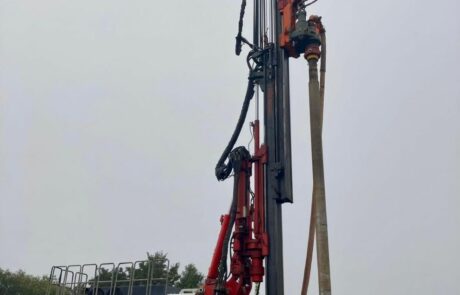
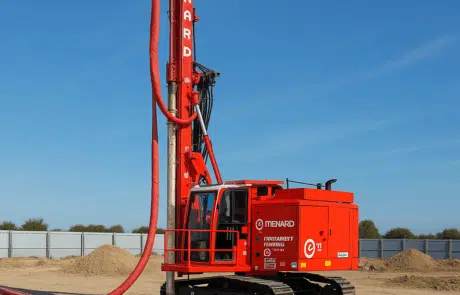
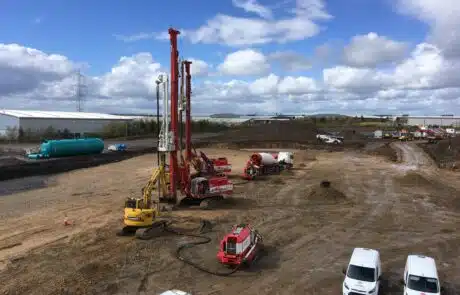
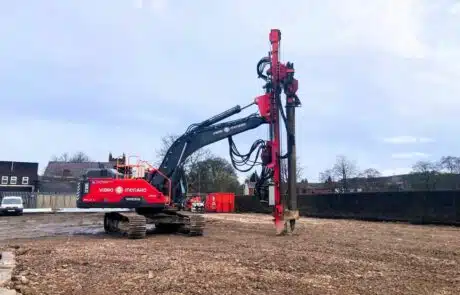
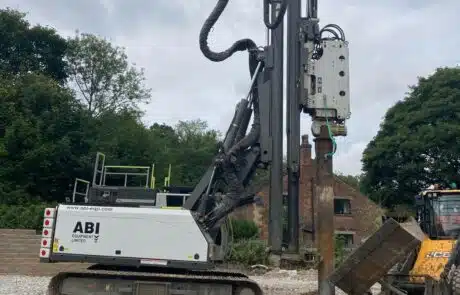
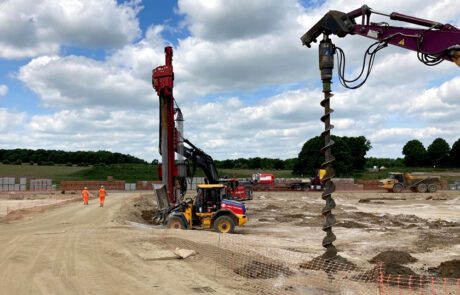
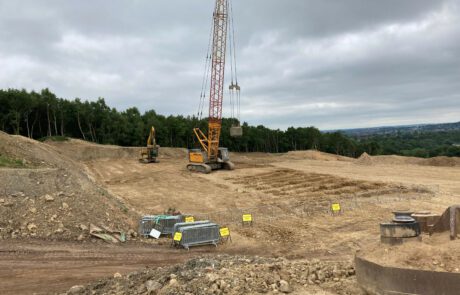
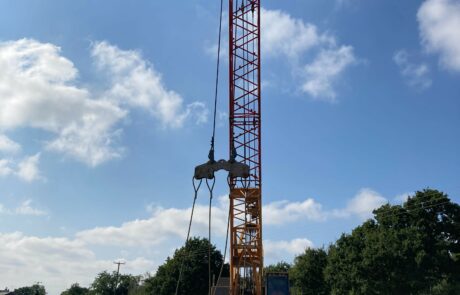
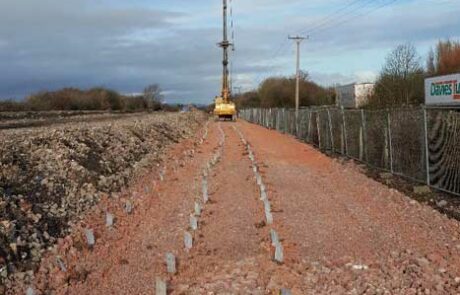
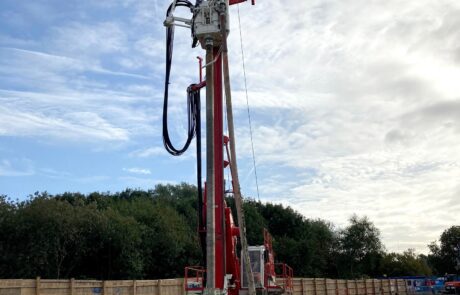
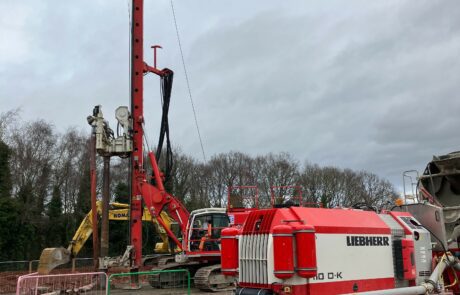
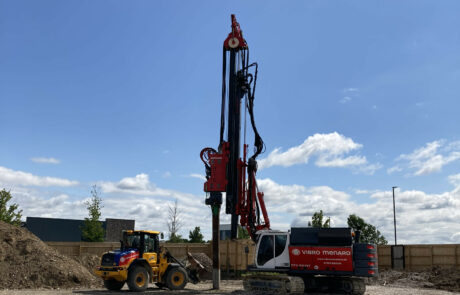
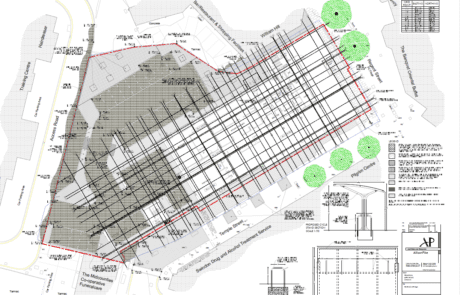
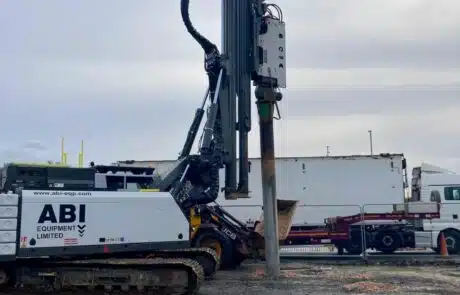
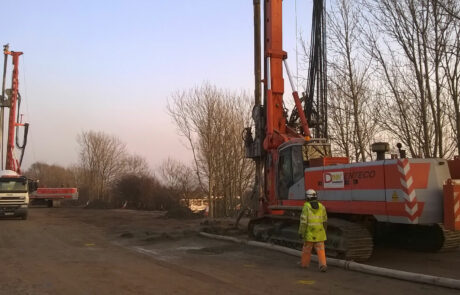
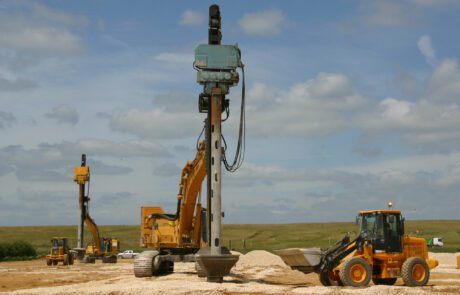
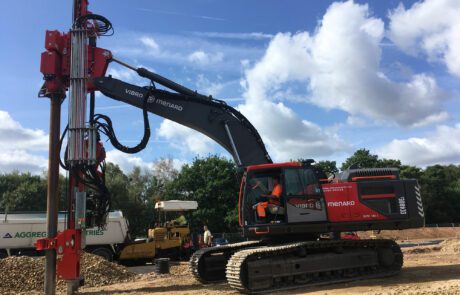
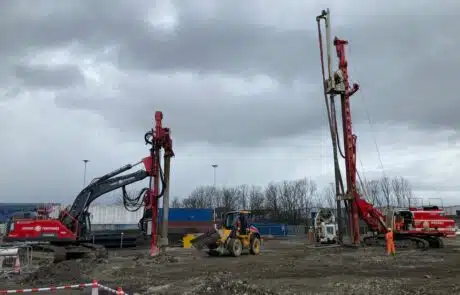
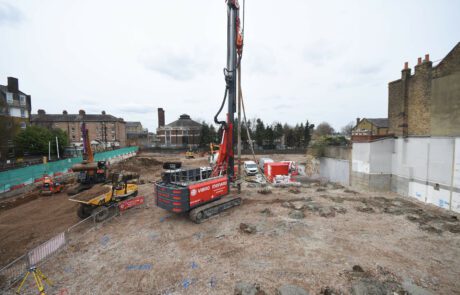
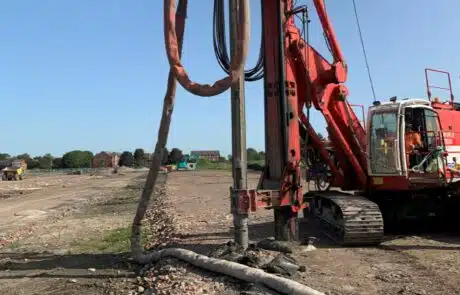
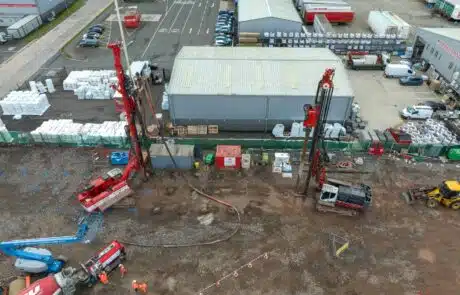
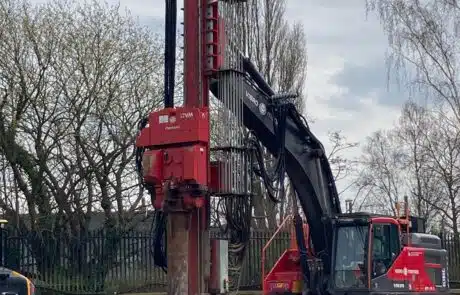
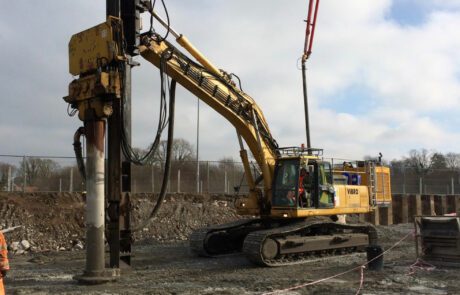
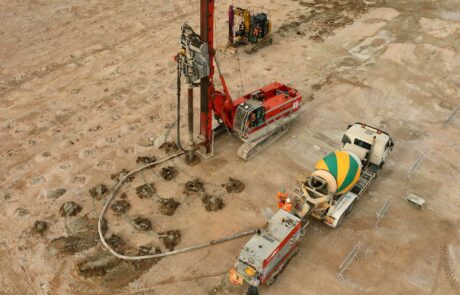
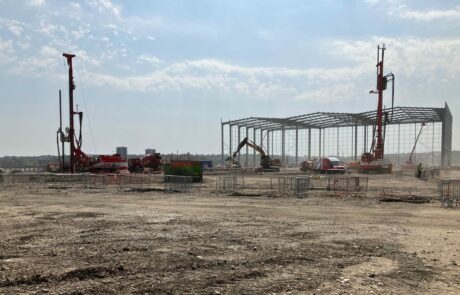
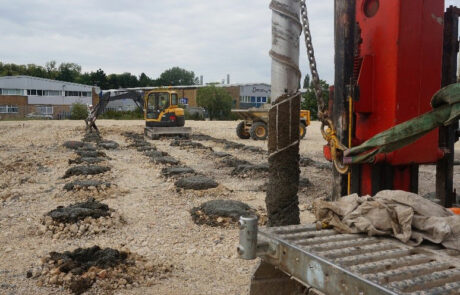
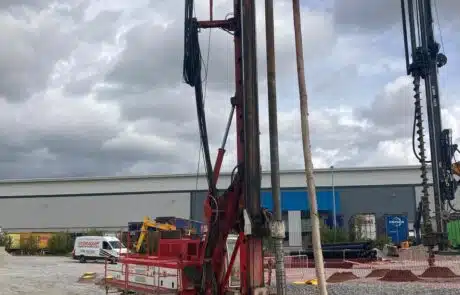
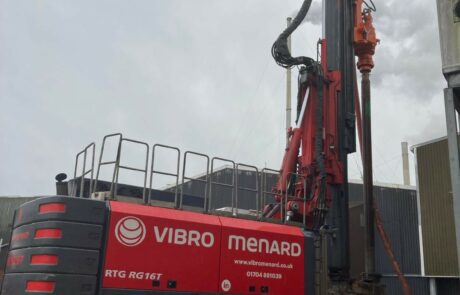
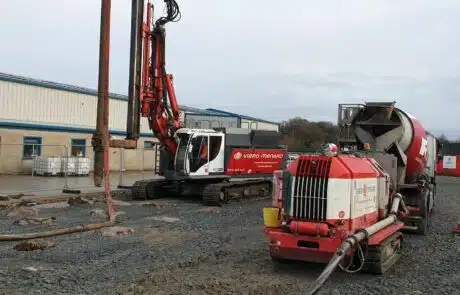
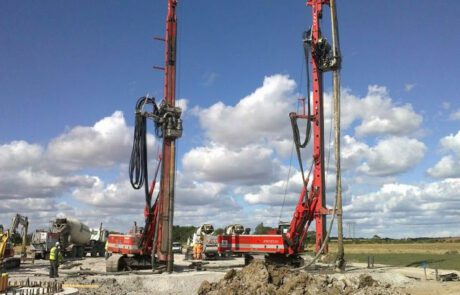
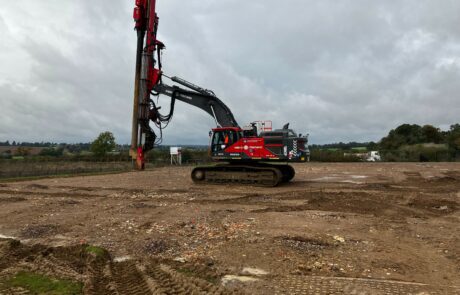
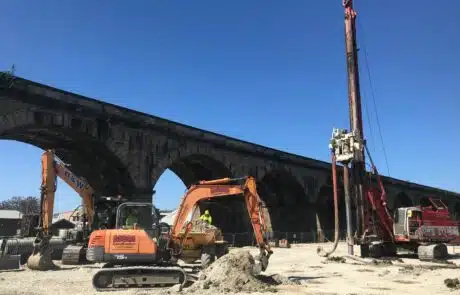
The ground conditions across the site were variable. Some areas were suitable for vibro stone columns (VSCs), while other areas encountered very soft cohesive soils and peat, which were more suited to controlled modulus columns (CMCs). Menard considered two options: installing VSCs in the suitable areas and CMCs in the softer ground, or installing CMCs across all plots. Taking into account the mobilisation costs of using two separate rigs or the downtime required to switch rig configuration between installation techniques, the decision was made to install CMCs beneath all plots. In total, approximately 900 CMCs were installed to depths ranging from 2.5 m to 10.3 m, with appropriate testing carried out to satisfy NHBC requirements.